Dinner · Part 2 of 3: Instructions
Brown Butter Sage Scallops with Squash and Parmesan Step-by-step instructions
- Prep
- Cook
- Total
- Serves
- 4
Before you start
Before cooking, peel and dice the butternut squash into 1/2-inch cubes. Pat the scallops dry and season them. Grate the Parmigiano-Reggiano and set aside. Have the butter and sage leaves ready.
Place a cast iron skillet over high heat to get it smoking hot. Ensure all ingredients are prepped and within reach, as the cooking process moves quickly.
Ingredients at a glance (7)
- 1 small butternut squash, peeled and diced into 1/2-inch cubes
- 1 1/2 lb jumbo sea scallops, patted dry
- 1/2 cup freshly grated Parmigiano-Reggiano cheese
- 12 leaves fresh sage
- 3 tbsp unsalted butter
- Kosher salt, to taste
- Freshly ground black pepper, to taste
Instructions
Prep and Sear
- Prep the Squash and ScallopsPeel the butternut squash, cut it in half lengthwise, and scoop out the seeds. Dice the flesh into 1/2-inch cubes. Pat the scallops dry with paper towels, removing any side muscle. Season both the squash and scallops with salt and pepper.Look for Squash cubes are uniform and scallops are dry to the touch.Tip Dry scallops are essential for a good sear; moisture prevents browning.
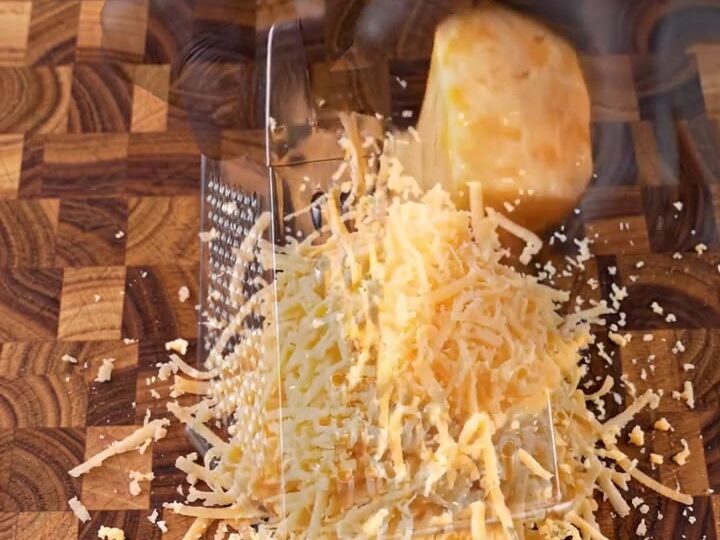
- Grate the ParmesanUsing a box grater, grate a solid wedge of Parmigiano-Reggiano into a bowl. You need about 1/2 cup of freshly grated cheese. Set aside.Look for A fluffy pile of snowy grated Parmesan.Tip Grate finely so it melts quickly over the hot scallops.
The squash is diced and seasoned, the scallops are dry and seasoned, and the Parmesan is grated.
The skillet is smoking hot, and the scallops have been seared to a deep amber crust on both sides. They should be just opaque in the center and have a golden-brown exterior.
Cook Squash and Baste
- Sear the ScallopsHeat a cast iron skillet over high heat until smoking hot. Add a thin layer of oil (if needed) and carefully place the scallops in the skillet, leaving space between each. Sear without moving for 90 seconds until a deep amber crust forms. Flip and sear the other side for another 60 seconds.Look for Deep amber crust on both sides, scallops are just opaque in the center.Safe temperature 145°F (63°C) internal temperature (shellfish)Tip Do not overcrowd the pan; work in batches if necessary.
- Cook the SquashRemove the scallops to a plate. Add the diced squash to the same skillet, adding a little more oil if needed. Cook over medium-high heat, stirring occasionally, until the squash is tender and browned in spots, about 6 to 8 minutes.Look for Squash is fork-tender with caramelized edges.Tip Cut cubes evenly so they cook at the same rate.
- Make Sage Brown ButterReturn the scallops to the skillet with the squash. Add the butter and sage leaves. As the butter melts, it will foam. Tilt the skillet slightly and use a spoon to baste the scallops and squash with the foaming butter for about 1 minute, until the butter smells nutty and the sage leaves crisp.Look for Butter is foamy and golden, sage leaves are crisp, and the kitchen smells nutty.Safe temperature 145°F (63°C) internal temperature (shellfish)Tip Watch closely; brown butter can go from perfect to burnt quickly.
The squash is tender and caramelized, and the scallops have been returned to the pan. The butter is foaming and has turned a light amber, and the sage leaves are crisp. The kitchen smells nutty and buttery, and the sauce is glossy.
Finish and Serve
- Finish and ServeRemove the skillet from the heat. Shower the grated Parmesan over the scallops and squash, and scatter the crispy sage leaves on top. Serve immediately, spooning any remaining brown butter from the pan over each portion.Look for Parmesan melts slightly over the hot scallops, sage leaves are crisp.Tip Serve right away to enjoy the contrast of hot, buttery scallops and crisp sage.
The Parmesan has been showered over the hot scallops and squash, melting slightly. The crispy sage leaves are scattered on top, and the dish is ready to be served immediately, with extra brown butter spooned over each portion.
Common mistakes
The most common mistake is overcrowding the skillet, which causes the scallops to steam instead of sear. Another is using wet scallops that have not been dried, preventing browning.
Overcooking scallops makes them tough and rubbery, so watch the time. Also, do not walk away from the brown butter; it can burn quickly. Finally, avoid adding the Parmesan too early, as it can melt away completely.
How to tell it’s done
The scallops are done when they reach an internal temperature of 145°F (63°C) and the exterior is a deep amber crust. The centers should be opaque but still moist and tender, not translucent.
The squash is done when it is fork-tender and browned in spots. The butter should be foamy and nutty-smelling, and the sage leaves crisp.
- Shellfish: 145°F (63°C) in the thickest part
Up next · Part 3 of 3
4 variations · storage & make-ahead · 5 answers · printable card
Tips, FAQ & printable recipe (Part 3)← Back to the ingredients (Part 1)