Dinner · Part 2 of 3: Instructions
Brown Butter Gnocchi with Crispy Sage and Shrimp Step-by-step instructions
- Prep
- Cook
- Total
- Serves
- 4
Before you start
Before you start, set out all your ingredients. Dice the butternut squash into even cubes, peel and devein the shrimp if needed, and grate the Parmesan. Keep the sage leaves whole—they will crisp up in the butter.
Have a large skillet ready, preferably one that's heavy-bottomed for even heating. Measure the butter and pine nuts so everything is within reach. The recipe moves quickly once the butter starts browning, so having your prep done will make the cooking process smooth and enjoyable.
Ingredients at a glance (9)
- 3 cups butternut squash, diced
- 1 lb shrimp, peeled and deveined
- 1 cup freshly grated Parmigiano-Reggiano cheese
- 1 lb gnocchi
- 1/2 cup unsalted butter
- 1/2 cup fresh sage leaves
- 1/4 cup pine nuts
- kosher salt, to taste
- black pepper, to taste
Instructions
Prep and Sear
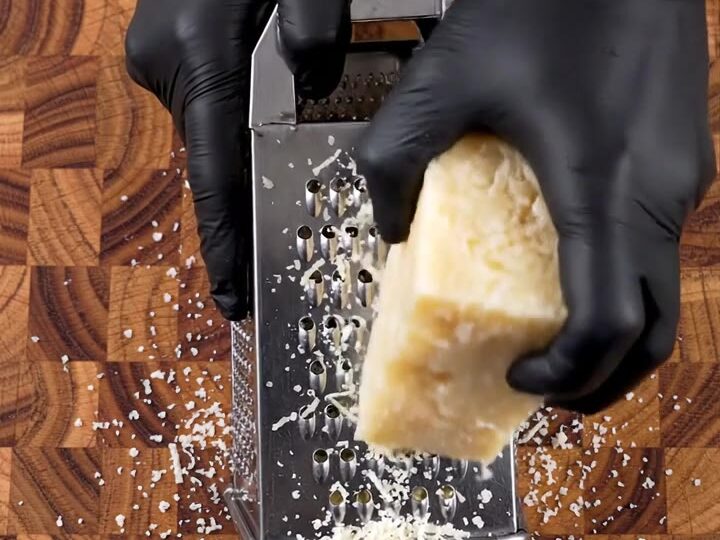
- Prep the ingredientsDice the butternut squash into uniform 1/2-inch cubes. Peel and devein the shrimp if needed, pat dry. Grate the Parmigiano-Reggiano on a box grater until you have 1 cup of fluffy cheese. Set everything near the stove.Look for Squash cubes are even, shrimp are dry, and cheese is freshly grated.Tip Uniform squash pieces cook evenly and brown nicely in the butter.
- Sear the shrimpHeat 1 tablespoon of the butter in a large skillet over medium-high heat. Add the shrimp in a single layer and cook for 1–2 minutes per side until they turn pink and opaque. Transfer to a plate.Look for Shrimp are pink, firm, and just cooked through.Safe temperature 145°F (63°C) internal temperature (shellfish)Tip Do not overcrowd; cook in batches if needed to get a good sear.
- Brown the butter and crisp the sageIn the same skillet, add the remaining butter and melt over medium heat. Add the sage leaves and cook, swirling occasionally, until the butter turns golden brown and smells nutty, about 3–4 minutes. The sage will crisp up as it fries.Look for Butter is golden with brown specks, sage is crisp and fragrant.Tip Watch closely: brown butter goes from golden to burnt quickly.
At this point, the shrimp are seared and resting on a plate, the butter is browning with the sage leaves, and the kitchen smells nutty and herbaceous. The shrimp should be pink and firm, with a light golden crust.
The butter should be a deep amber with small brown specks floating in it, and the sage leaves should be crisp and dark green. Make sure the shrimp are not overcooked—they will finish with the gnocchi.
Cook the Gnocchi and Squash
- Cook the squash and gnocchiAdd the diced squash to the brown butter and cook for 5–6 minutes, stirring occasionally, until nearly tender. Add the gnocchi and cook for 3–4 minutes, turning gently, until the gnocchi are golden and the squash is fully cooked through.Look for Gnocchi are puffed and browned, squash is fork-tender.Tip Use a spatula to gently turn the gnocchi so they brown on several sides.
- Toast the pine nutsPush the gnocchi and squash to one side of the skillet. Add the pine nuts to the empty side and toast for 1–2 minutes, stirring often, until they are lightly golden and fragrant.Look for Pine nuts are golden and smell toasty.Tip Keep them moving so they don't scorch.
The gnocchi are now golden and slightly puffed, and the squash is tender when pierced with a fork. The pine nuts are toasted and fragrant. The whole pan is coated in a glistening brown butter sauce. The gnocchi should be cooked through but still chewy, not mushy. The squash should be caramelized at the edges but not falling apart. The sage leaves are still crisp and have infused the butter with their flavor.
Finish and Serve
- Combine and finishReturn the shrimp to the skillet along with any juices. Sprinkle with half of the grated Parmesan and toss everything together until the cheese melts slightly and coats the gnocchi and squash. Season with salt and pepper to taste.Look for Everything is coated in a glossy, cheesy butter sauce.Safe temperature 145°F (63°C) internal temperature (shellfish)Tip Taste and adjust seasoning—the cheese adds salt, so go easy on the salt.
- Serve with extra ParmesanTransfer the gnocchi, squash, and shrimp to a serving platter. Scatter the remaining Parmesan on top and pull a little of the cheese to show the stretch. Serve immediately while hot.Look for The cheese stretches when pulled, and the dish is hot and fragrant.Tip For the best stretch, grate the Parmesan just before serving.
The shrimp are back in the pan, coated with the buttery sauce, and the Parmesan has melted into a creamy glaze. The dish is hot, fragrant, and ready to serve. The cheese should pull and stretch when you lift a piece of gnocchi. The flavors are balanced—nutty, savory, and slightly sweet from the squash. The shrimp are cooked through and juicy. Serve immediately to enjoy the crisp sage and the stretchy cheese.
Common mistakes
One common mistake is burning the butter. Keep the heat at medium and watch the butter closely—it goes from golden to burnt quickly. If you see black specks, start over. Another is overcrowding the skillet when searing the shrimp, which causes them to steam instead of brown.
Work in batches if necessary. Overcooking the gnocchi will make them mushy; they only need a few minutes in the pan. Finally, don't add too much salt before tasting—the Parmesan and shrimp add natural saltiness.
How to tell it’s done
The dish is done when the gnocchi are golden brown and tender, the squash is easily pierced with a fork, and the shrimp are pink and opaque throughout. To check the shrimp, cut one in half—it should be firm and white inside, not translucent.
The internal temperature should read 145°F (63°C) on an instant-read thermometer. The butter sauce should be glossy and coat the gnocchi nicely, with the Parmesan melted into it. The sage leaves should be crisp enough to shatter when bitten.
- Shellfish: 145°F (63°C) in the thickest part
Up next · Part 3 of 3
4 variations · storage & make-ahead · 5 answers · printable card
Tips, FAQ & printable recipe (Part 3)← Back to the ingredients (Part 1)