Dinner · Part 2 of 3: Instructions
Brazilian Coconut Fish and Shrimp Stew Step-by-step instructions
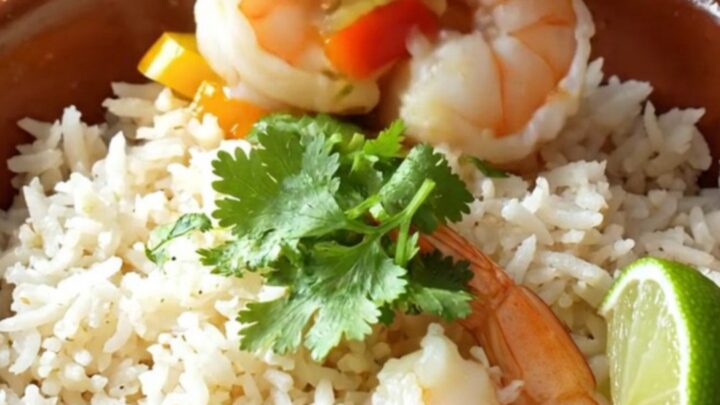
- Prep
- Cook
- Total
- Serves
- 4
Before you start
Before beginning, ensure all vegetables are washed and sliced uniformly to promote even cooking. Peel and devein the shrimp, and pat the halibut dry before cutting it into large, bite-sized chunks. Keep the seafood refrigerated until the exact moment it is needed for the poaching step.
Prepare the Crockpot by placing it on a stable, heat-resistant surface and ensure the lid is clean and ready. Having all ingredients measured and organized on the counter will make the assembly process smooth and efficient.
Ingredients at a glance (12)
- 2 bell peppers, sliced
- 1 red onion, sliced
- 14 oz diced tomatoes
- 6 cloves garlic, minced
- 1 tbsp sweet paprika
- 14 oz full-fat coconut milk
- 1.5 lb halibut, cut into chunks
- 1 lb jumbo shrimp, peeled and deveined
- 1 tbsp red palm oil
- 2 tbsp fresh lime juice
- Fresh cilantro, for serving
- Lime wedges, for serving
Instructions
Base assembly
- Assemble the baseAdd the sliced bell peppers, sliced red onion, diced tomatoes, minced garlic, sweet paprika, and full-fat coconut milk into the Crockpot. Stir the ingredients together to combine evenly before setting the slow cooker to low heat to begin the infusion process.Look for The mixture should look vibrant with the peppers and onions well-distributed throughout the coconut milk and tomato base.Tip Ensure the garlic is minced finely to distribute the flavor evenly throughout the stew as it cooks.
At the end of this phase, the Crockpot should be filled with a colorful mixture of vegetables, aromatics, and coconut milk. The ingredients should be layered evenly, with the garlic and spices distributed throughout to ensure a balanced flavor profile.
The stew is now ready to begin its long, slow simmer, which will transform these raw components into a cohesive, aromatic base.
Slow simmer
- Slow cook the stewCover the Crockpot with its lid and cook on low setting for three hours. The long, slow simmer allows the peppers and aromatics to soften and the coconut milk to meld with the tomato base, creating a deeply flavorful and fragrant liquid foundation.Look for The base will become aromatic and the vegetables will soften significantly, signaling that it is ready for the seafood.Tip Keep the lid closed during the entire three-hour period to maintain a consistent temperature and moisture level inside the Crockpot.
After three hours of simmering, the base should smell fragrant and look deeply infused. The peppers and onions should be soft and tender, and the liquid should have reduced slightly, concentrating the flavors of the coconut milk and tomatoes. This is the perfect time to prepare the seafood, ensuring it is ready for the final poaching stage.
Seafood poaching
- Poach the seafoodNestle the halibut chunks and jumbo shrimp into the hot base. Add the red palm oil and lime juice. Cover and cook for an additional 25 minutes, or until the fish reaches 145°F (63°C) and the shrimp are opaque and firm, ensuring both are cooked through. Garnish with fresh cilantro and lime wedges before serving.Look for The fish will flake easily with a fork and the shrimp will curl into a C-shape and turn pink.Safe temperature 145°F (63°C) internal temperature (fish)Tip Do not overcook the seafood, as it will continue to cook slightly in the residual heat once the Crockpot is turned off.
The stew is finished when the halibut and shrimp are perfectly cooked and tender. The addition of the lime juice and red palm oil should provide a vibrant finish to the broth. The final dish should be aromatic, visually appealing with bright colors, and ready to be served over hot rice with a generous garnish of fresh cilantro.
Common mistakes
A common mistake is adding the seafood at the beginning of the cooking process. Fish and shrimp cook very quickly and will become rubbery or disintegrate if subjected to the full three-hour cycle.
Another error is neglecting to use full-fat coconut milk; using an alternative with less fat can lead to a thin, watery broth that lacks the signature richness of a traditional Moqueca. Finally, failing to stir the base ingredients before starting the cook can result in uneven seasoning and flavor distribution throughout the stew.
How to tell it’s done
The dish is finished when the halibut is opaque and flakes easily with a fork, and the shrimp are firm, pink, and opaque throughout. Use an instant-read thermometer to ensure the fish reaches an internal temperature of at least 145°F (63°C).
The broth should be fragrant, slightly thickened, and emulsified with the red palm oil. If the seafood is not yet cooked through, continue cooking for an additional few minutes, checking frequently to avoid overcooking and maintaining the delicate texture of the protein.
- Fish: 145°F (63°C) in the thickest part
- Shellfish: 145°F (63°C) in the thickest part
Up next · Part 3 of 3
2 variations · storage & make-ahead · 3 answers · printable card
Tips, FAQ & printable recipe (Part 3)← Back to the ingredients (Part 1)