Dinner · Part 3 of 3: Tips & recipe card
Braised Endives with White Wine and Comté Tips, FAQ & printable recipe

- Prep
- Cook
- Total
- Serves
- 4
Tips for success
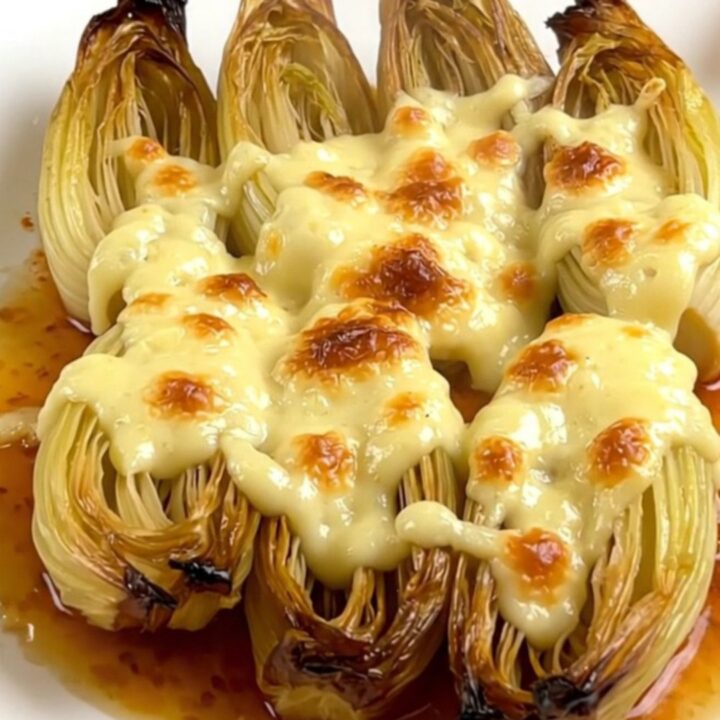
For a more vibrant presentation, garnish the finished dish with a small amount of fresh, finely chopped parsley or chives. The burst of color and herbaceous note adds a fresh dimension to the rich, cheesy flavor of the braised endives, making the dish look as good as it tastes when presented on a white plate.
If you find the sauce is too thin after the cooking process, carefully remove the endives and simmer the remaining liquid in a small saucepan over medium-high heat for a few minutes.
This will concentrate the flavors and create a thicker, more syrupy consistency that you can then pour back over the vegetables before serving.
Variations
- Bacon-infused Endives: Add a few strips of cooked, crumbled bacon to the slow cooker along with the cheese. The smoky, salty flavor of the bacon adds a rustic character that pairs exceptionally well with the sweetness of the braised endive.
- Herb-Crusted Finish: Sprinkle a tablespoon of fresh, chopped thyme or tarragon over the endives just before serving. The aromatic herbs lift the earthy profile of the dish and provide a bright, fragrant finish that complements the melted Comté cheese.
Storage and make-ahead
- Fridge
- Store in an airtight container for up to 3 days.
- Freezer
- Freezing is not recommended as the texture of the endives will become mushy upon thawing.
- Reheat
- Reheat gently in a saucepan over low heat or in a microwave-safe dish until warmed through.
Store any leftovers in an airtight container in the refrigerator. Ensure the dish has cooled completely before sealing to prevent excess moisture buildup. Properly stored, the braised endives will maintain their quality and flavor for up to three days, making them a great option for a quick side dish during the week.
This dish is excellent for making ahead as the flavors continue to meld beautifully overnight. Simply prepare the recipe as directed, let it cool, and store it in the refrigerator.
When you are ready to serve, reheat it gently on the stovetop or in the oven until warmed through, adding a splash of water if the sauce has thickened too much.
Serving ideas
Serve these braised endives warm, ideally as a sophisticated side dish for roasted poultry, pork chops, or seared steak.
The bitterness of the endive cuts through the richness of the meat, while the Comté sauce provides a creamy bridge between the two components. It is best enjoyed with a side of crusty bread to soak up the leftover wine and cheese sauce.
For a lighter meal, these endives can be served alongside a crisp green salad with a simple vinaigrette. The contrast between the warm, tender vegetables and the cold, crunchy greens creates a satisfying texture experience.
The dish is versatile enough to fit into a casual family dinner or a more formal gathering with friends.
Frequently asked questions
Can other cheeses be used instead of Comté?
How can the bitterness of the endives be further reduced?
Is it possible to cook this dish in the oven?
Braised Endives with White Wine and Comté
Ingredients
- 4 whole endives
- 4 oz Comté cheese, grated
- 1 pinch ground nutmeg
- 1/4 cup dry white wine
Instructions
- Place the whole raw endives flat on the bottom of the slow cooker in a single layer. Ensure they are arranged neatly so they cook evenly throughout the process.
- Scatter the grated Comté cheese evenly over the top of the endives. Sprinkle the ground nutmeg over the cheese, then carefully pour the dry white wine over the entire assembly.
- Cover the slow cooker and cook on low heat for approximately 3 hours. The endives are done when they are fork-tender and the cheese has melted into a glossy, golden sauce.
Estimated nutrition per serving
- Calories
- 210
- Protein
- 10.5 g
- Carbohydrates
- 8.2 g
- Fat
- 14.8 g
- Fiber
- 3.2 g
- Sugar
- 2.1 g
- Sodium
- 380 mg
Next recipe
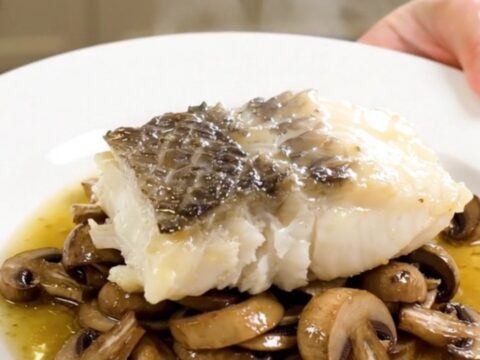
Slow Cooker Monkfish with Mushrooms and White Wine
See the recipe → →This recipe is based on a short cooking video and is published under the pen name Clara Weller. It was checked before publication, but errors can slip through. Nutrition, when shown, is an estimate. Read more in our editorial policy and on our food safety page.
More recipes to try

Easy Slow Cooker Savoyard Crozet Gratin
Total time: 3 h 10 min
Slow Cooker Five-Spice Char Siu Pork for Tender Results
Total time: 6 h 20 min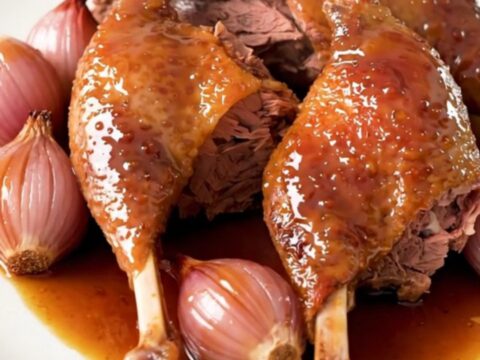
Slow Cooker Honey Balsamic Duck Legs for an Easy Dinner
Total time: 4 h 15 min
Slow Cooker Morteau Sausage with Tender Potatoes
Total time: 4 h 15 min
Slow Cooker Beef Daube with Walnuts and Red Wine
Total time: 8 h 15 min