Appetizers
Blueberry Cake Lemon Frosting: A Deliciously Easy Recipe
Please note: this recipe comes from an earlier version of this site, before our current process, and has not been through our automatic checks. Its first-person passages, which do not describe real events, are hidden whenever they can be detected automatically; some old wording may remain. How we make recipes today
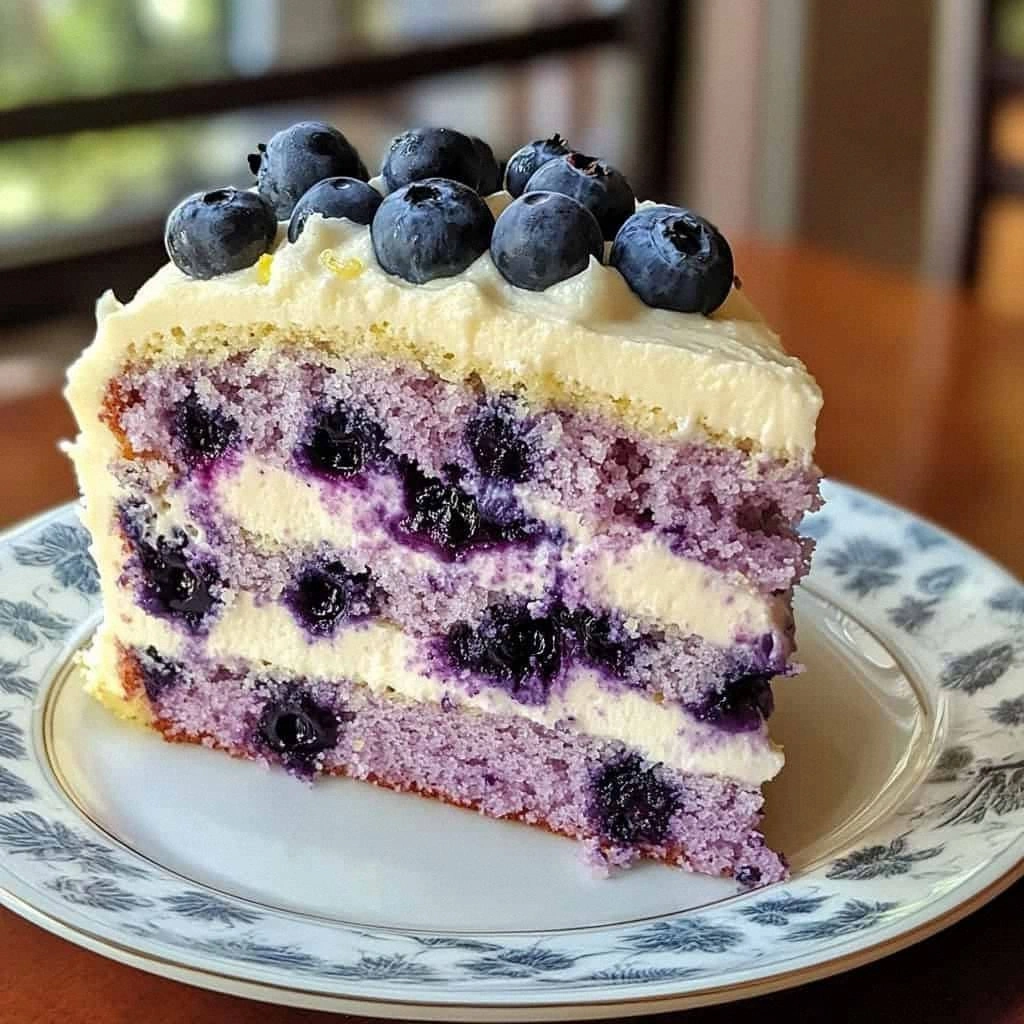
What Makes This Version Stand Out
Cloud-Soft Texture: Most blueberry cakes are either dense like pound cake or so airy they collapse under the weight of the fruit. This one hits that perfect middle ground — tender enough to melt on your tongue but sturdy enough to support a generous heap of berries without turning into a purple mess. The secret lies in the buttermilk and the precise ratio of baking powder to baking soda.
Lemon Frosting That Actually Tastes Like Lemon: Too many lemon frostings taste like someone waved a lemon over powdered sugar and called it a day. This version uses real lemon juice, zest, and a touch of salt to create a frosting that makes your mouth water before it even hits your tongue. It’s bright, tangy, and cuts through the sweetness like a lighthouse beam through fog.
Inside the Ingredient List
The Flavor Base
Buttermilk is the unsung hero that takes this cake from good to legendary. Its acidity tenderizes the gluten, creating that melt-in-your-mouth texture that makes people close their eyes when they take a bite. No buttermilk? No problem — add a tablespoon of lemon juice or vinegar to regular milk and let it sit for 5 minutes until it curdles. Future pacing moment: imagine cutting into a slice and seeing those perfectly distributed blueberries, knowing the buttermilk helped create that tender crumb.
The Unexpected Star
Lemon zest in the frosting isn’t just garnish — it’s flavor gold. The oils in the zest contain all the bright, floral notes that make this frosting taste like real lemons instead of lemon candy. Use a microplane or the finest side of your grater, and only zest the yellow part. The white pith underneath tastes like bitter disappointment and will ruin everything it touches.
The Final Flourish
Heavy cream in the frosting creates that luxurious, pipeable texture that makes people ask if you went to pastry school. It smooths out the powdered sugar’s sweetness while adding richness that milk just can’t match. Half-and-half works in a pinch, but your frosting won’t hold its peaks as proudly. Okay, ready for the game-changer? Add the cream slowly — you might not need it all. The perfect consistency is when the frosting forms soft peaks that hold their shape but still look cloud-soft.
The Method — Step by Step
-
Start by positioning your oven rack in the center and preheating to 350°F. This isn’t the time to rush — a properly heated oven ensures even baking from edge to center. Grease a 9-inch cake pan with butter, then dust with flour, tapping out the excess. This double insurance prevents sticking better than any cooking spray. The sizzle when the batter hits the pan? Absolute perfection.
-
In a medium bowl, whisk together your flour, baking powder, baking soda, and salt. This isn’t just mixing — you’re aerating the flour and ensuring the leavening agents distribute evenly. Nobody wants a slice with a baking powder pocket that tastes like soap.
-
Now for the fun part: beat the softened butter and sugar together until they’re light and fluffy. This takes about 3-4 minutes with a hand mixer, longer if you’re doing it by hand. You’re not just combining — you’re incorporating air that’ll give the cake lift. The mixture should pale in color and increase in volume, looking like slightly grainy whipped cream. Don’t rush this step; it’s the foundation of your cake’s texture.
-
Add the eggs one at a time, beating well after each addition. This gradual incorporation prevents the batter from curdling, which happens when the fat and liquid decide they don’t want to play nice. The first egg might make the mixture look separated, but keep beating — it’ll come together. Add the vanilla with the second egg for maximum flavor distribution. Your batter should look like thick, yellow clouds at this point.
-
Reduce your mixer speed to low and add the flour mixture in three additions, alternating with the buttermilk in two additions. Start and end with flour — this prevents the batter from curdling and ensures everything incorporates smoothly. Mix just until combined; overmixing develops gluten and creates a tough cake. You should still see a few streaks of flour when you stop the mixer.
-
This is the moment of truth: toss your blueberries with the two tablespoons of flour until they’re evenly coated. The flour creates a slight barrier that prevents the berries from sinking and turning your cake into a purple-bottomed tragedy. Gently fold them into the batter using a spatula, making figure-eights and scraping the bottom of the bowl. The berries should be distributed throughout, not clumped together like they’re having a private meeting.
-
Pour the batter into your prepared pan and smooth the top with your spatula. Give the pan a gentle tap on the counter to release any air bubbles that might create tunnels in your cake. Slide it into the oven and set your timer for 30-35 minutes. Now, don’t walk away from the oven here — start checking at 25 minutes. The cake is done when it’s golden brown, pulling slightly away from the sides, and a toothpick inserted in the center comes out with just a few moist crumbs.
-
While the cake cools, make your lemon frosting. Beat the softened butter until it’s pale and fluffy, about 2 minutes. Add the powdered sugar gradually — otherwise, you’ll create a snowstorm in your kitchen that would make a ski resort jealous. Once incorporated, add the lemon juice, zest, salt, and cream. Beat on high for 3 minutes until the frosting is light, fluffy, and tastes like lemon clouds. If it’s too thick, add cream a teaspoon at a time. Too thin? More powdered sugar.
-
Spread the frosting generously over the top, creating swirls and peaks that’ll catch the light like tiny lemon mountains. This next part? Pure magic. The frosting will develop a slight crust on the outside while staying creamy inside, creating textural contrast that makes people close their eyes when they eat it.
Insider Tricks for Flawless Results
The Temperature Rule Nobody Follows
Your ingredients should all be at room temperature, but here’s the part most recipes miss — your kitchen temperature matters too. If you’re baking in a freezing kitchen in January, your “room temperature” ingredients are still too cold. Run your eggs under warm water for 30 seconds, and give your buttermilk a 10-second zap in the microwave. Cold ingredients refuse to emulsify properly, creating a batter that separates like cheap salad dressing. A friend tried skipping this step once — let’s just say her cake had the texture of rubber with blueberry missiles throughout.
The 5-Minute Rest That Changes Everything
After you take the cake out of the oven, let it rest in the pan for exactly 5 minutes — not 10, not 2, but 5. This allows the structure to set enough that it won’t fall apart when you turn it out, but it’s still warm enough to release easily from the pan. Too long and the bottom steams, creating a soggy layer that no amount of frosting can hide. Set a timer and don’t get distracted by Instagram — this is crucial moment number one in your cake’s life.
Creative Twists and Variations
Orange Creamsicle Dream
Replace the lemon juice and zest with orange, and swap the buttermilk for regular milk with a tablespoon of orange juice. The result tastes like those orange creamsicle pops from childhood, but in grown-up cake form. Add a drop of orange food coloring to the frosting for that authentic creamsicle look. Kids go absolutely bonkers for this version, and adults get that nostalgic glow that makes them tell you stories about their childhood.
Lemon Blueberry Marble
Divide the batter in half, leave one plain, and mix lemon zest into the other half. Marble them together in the pan for a stunning effect that looks like you went to culinary school. The flavor is more complex — some bites are intensely lemon, others are pure blueberry bliss. It’s like having two cakes in one, which is perfect for those dinner parties where half the guests love lemon and half just want blueberry.
Mini Cake Magic
Pour the batter into a muffin tin for individual blueberry cakes with lemon frosting. They bake in 15-18 minutes and are perfect for lunch boxes or that coworker who always says they’re “just trying to be good” but always ends up eating three. The frosting-to-cake ratio is higher, which is exactly how some people like it.
Savory-Sweet Surprise
Add 1/4 cup of finely chopped fresh basil to the batter and reduce the sugar by 2 tablespoons. The herbal notes create this sophisticated flavor that makes people pause mid-bite, trying to figure out what makes it so special. It’s the kind of cake that gets served at art gallery openings and makes food bloggers ask for your secret.
Storing and Bringing It Back to Life
Best Reheating Method
While this cake is delicious cold, bringing it back to room temperature enhances the flavors. For a special touch, microwave individual slices for 8-10 seconds — just enough to take the chill off without melting the frosting. Add a tiny splash of water before reheating — it steams back to perfection. The cake regains that just-baked softness that makes people think you baked it that morning.
Blueberry Cake Lemon Frosting: A Deliciously Easy Recipe
Homemade Recipe
Ingredients
- 2.5 cups all-purpose flour
- 2 teaspoons baking powder
- 0.5 teaspoon baking soda
- 0.25 teaspoon salt
- 1 cup (2 sticks) unsalted butter, softened
- 1.75 cups granulated sugar
- 2 large eggs
- 1 teaspoon vanilla extract
- 1 cup buttermilk
- 2 cups fresh blueberries, rinsed and patted dry
- 2 tablespoons all-purpose flour (for tossing with blueberries)
- 1 cup (2 sticks) unsalted butter, softened (for frosting)
- 4 cups powdered sugar
- 0.25 cup heavy cream
- 0.25 cup lemon juice, freshly squeezed
- 1 tablespoon lemon zest
- 0.25 teaspoon salt
Directions
- Preheat oven to 350°F. Grease and flour a 9-inch cake pan, tapping out excess flour.
- In a medium bowl, whisk together 2½ cups flour, baking powder, baking soda, and salt. Set aside.
- In a large bowl, beat 1 cup softened butter and granulated sugar until light and fluffy, about 3-4 minutes.
- Beat in eggs one at a time, then add vanilla extract.
- Reduce mixer speed to low. Add flour mixture in three additions, alternating with buttermilk in two additions, beginning and ending with flour. Mix just until combined.
- Toss blueberries with 2 tablespoons flour to coat. Gently fold into batter.
- Pour batter into prepared pan and smooth top. Bake for 30-35 minutes, until golden brown and a toothpick inserted in center comes out with just a few moist crumbs.
- Cool in pan for 5 minutes, then turn out onto wire rack to cool completely.
- For frosting: Beat 1 cup softened butter until pale and fluffy. Gradually add powdered sugar, beating until combined.
- Add lemon juice, zest, salt, and heavy cream. Beat on high for 3 minutes until light and fluffy.
- Spread frosting over completely cooled cake. Serve and enjoy!
Common Questions
Can I use frozen blueberries instead of fresh?
Why did all my blueberries sink to the bottom?
Can I make this cake ahead of time?
What if I don’t have buttermilk?
How do I know when the cake is done?
Can I use a different size pan?
Next recipe
Sweet Cocktail Meatballs: 3-Ingredient Slow Cooker Appetizer
See the recipe → →More recipes to try

Crispy Blooming Eggplant Fan Fries with Garlic Yogurt Dip
Total time: 45 min
Crispy Blooming Eggplant Fan Fries with Smoky Paprika
Total time: 32 min
Crispy Blooming Eggplant Fan Fries with Garlic Herb Yogurt Sauce
Total time: 45 min
Crispy Smiley Face Potato Fries
Total time: 35 min
Crispy Sesame Potato Pockets with Flaky Puff Pastry
Total time: 50 min