Desserts · Part 2 of 3: Instructions
Blood Orange Ricotta Almond Glazed Italian Cake Step-by-step instructions
- Prep
- Cook
- Total
- Serves
- 10
Before you start
Before starting, bring the butter, eggs, and ricotta to room temperature for easier mixing. Grate the white chocolate and set aside.
Slice the blood oranges thinly and pat them dry with paper towels to remove excess juice, which helps them sit on the batter without making it soggy. Preheat the oven to 350°F (175°C) and prepare the cake pan.
Ingredients at a glance (15)
- 3 blood oranges, thinly sliced into wheels
- 1 cup sliced almonds, divided
- 4 oz white chocolate (coverture), grated
- 1 cup whole milk ricotta
- 1 lemon, zested and juiced
- 1 cup almond flour
- 1 1/2 cups all-purpose flour
- 2 tsp baking powder
- 1/2 tsp kosher salt
- 1/2 cup unsalted butter, softened
- 3/4 cup granulated sugar
- 3 large eggs
- 1 tsp vanilla extract
- 1/2 cup fresh blood orange juice (from about 2 oranges)
- 1 1/2 cups confectioners' sugar
Instructions
Prep and Batter
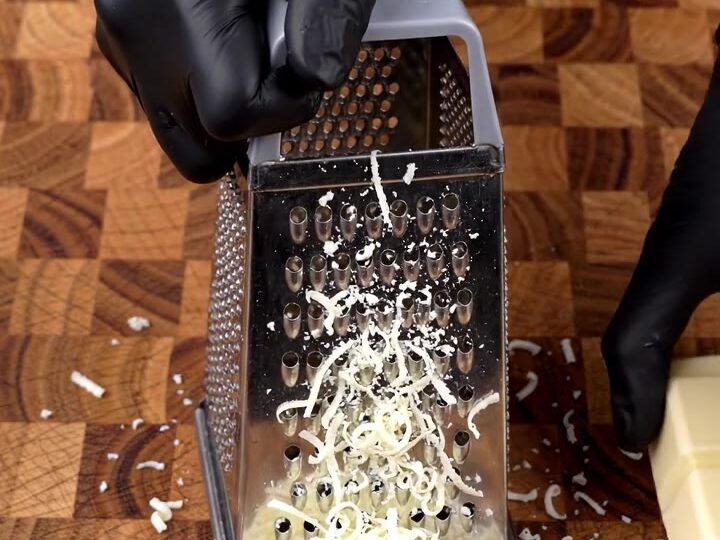
- Prep the Fruit and ChocolateHeat the oven to 350°F (175°C). Butter and flour a 9-inch round cake pan. Slice the blood oranges into thin wheels, about 1/8-inch thick. Chop the almonds coarsely, leaving some slices whole for topping. Grate the white chocolate on the large holes of a box grater into a pile of fine curls.Look for Blood orange wheels are thin and even; chocolate curls are light and fluffy.Tip Use a sharp knife for clean orange slices and chill the chocolate for easier grating.
- Mix the Dry IngredientsIn a medium bowl, whisk together the almond flour, all-purpose flour, baking powder, and salt. Set aside.Look for The dry mixture is uniform and free of lumps.Tip Whisking aerates the flours and ensures even leavening.
- Cream Butter and SugarIn a large bowl, beat the softened butter and granulated sugar with an electric mixer on medium speed until light and fluffy, about 3 minutes. Add the eggs one at a time, beating well after each addition. Beat in the lemon zest, lemon juice, and vanilla extract.Look for The mixture is pale, airy, and slightly increased in volume.Tip Scrape down the bowl occasionally to ensure even mixing.
- Add Ricotta and Dry IngredientsWith the mixer on low, beat in the ricotta until just combined. Gradually add the dry ingredients, mixing until no streaks of flour remain. Fold in the grated white chocolate and half of the chopped almonds with a rubber spatula.Look for The batter is thick, creamy, and studded with chocolate and nuts.Tip Do not overmix once the flour is added; fold gently to keep the cake tender.
At the end of this phase, the batter should be smooth, thick, and well combined, with grated white chocolate and chopped almonds evenly distributed.
The blood orange wheels should be thin and uniform, and the oven preheated. The batter should not have any streaks of flour, and the mixture should look light and airy from the creaming step.
Baking
- Arrange Blood Orange WheelsPour the batter into the prepared pan and smooth the top. Arrange the blood orange wheels over the batter in a single layer, slightly overlapping if needed. Sprinkle the remaining sliced almonds over the top.Look for The orange wheels create a beautiful rosy pattern on the batter.Tip Press the oranges gently into the batter so they stay in place while baking.
- Bake the CakeBake for 45 to 55 minutes, until the top is deep golden brown and a toothpick inserted into the center comes out clean. If the top browns too quickly, tent loosely with foil. Let the cake cool in the pan on a rack for 10 minutes, then turn out onto the rack to cool completely.Look for The cake is golden, springy to the touch, and a toothpick comes out clean.Safe temperature 160°F (71°C) internal temperature (egg dishes)Tip Cooling in the pan for 10 minutes makes the cake easier to remove without breaking.
The cake should be deep golden on top, with the blood orange wheels slightly caramelized at the edges. A toothpick inserted into the center should come out clean, and the cake should feel springy when pressed gently. The aroma of citrus and almonds should fill the kitchen. Let it cool completely before glazing.
Glazing and Finishing
- Make the Blood Orange GlazeIn a small saucepan, warm the blood orange juice over low heat until steaming. Remove from heat and whisk in the confectioners' sugar until smooth. The glaze should be thick but pourable; if too thick, add a teaspoon of juice; if too thin, add more sugar.Look for The glaze is glossy, smooth, and a deep ruby color.Tip For a more intense color, use a few drops of natural red food coloring, if desired.
- Glaze and Toast AlmondsPlace the cooled cake on a serving plate. Pour the glaze over the crown, letting it drip down the sides. Sprinkle the remaining toasted almonds over the top. Let the glaze set for 10 minutes before slicing.Look for The glaze forms a shiny ruby coating with almonds clinging to it.Tip Toast the almonds in a dry skillet over medium heat for 2-3 minutes until fragrant before sprinkling.
The glaze should be thick, glossy, and a vibrant ruby color. When poured over the cake, it should flow slowly down the sides, coating the top evenly. The toasted almonds should stick to the glaze, adding crunch. The cake should look elegant and inviting, ready to be sliced and served.
Common mistakes
One common mistake is overmixing the batter after adding the flour, which develops gluten and makes the cake tough. Another is arranging the blood orange wheels too thickly, causing them to sink or release too much juice.
Also, ensure the cake is completely cool before glazing; otherwise, the glaze will soak in and lose its glossy finish.
How to tell it’s done
The cake is done when the top is golden brown and a toothpick inserted into the center comes out clean. The internal temperature should read 160°F (71°C) for the eggs to be fully set.
If the top browns too quickly, cover loosely with foil. Let the cake cool completely before glazing to prevent the glaze from melting into the cake.
- Egg dishes: 160°F (71°C) in the thickest part
Up next · Part 3 of 3
4 variations · storage & make-ahead · 5 answers · printable card
Tips, FAQ & printable recipe (Part 3)← Back to the ingredients (Part 1)