Dinner · Part 2 of 3: Instructions
Blistered Tomato Gnocchi with Molten Brie in One Skillet Step-by-step instructions
- Prep
- Cook
- Total
- Serves
- 4
Before you start
Gather everything before you turn on the heat, because the skillet moves quickly once the gnocchi and tomatoes go in. Set the cast iron skillet on the stovetop and keep a wooden spoon within reach. Halve the cherry tomatoes and pat them dry with a clean towel. Smash the garlic cloves with the flat side of a chef's knife and peel them if you have not already done so.
Tear the basil leaves by hand, keeping them whole where possible so they stay bright. Grate the parmesan on a fine box grater and divide it into two portions, one for the pan and one for the top. Remove the rind from the brie, cut it into cubes, and place them on a plate in the refrigerator until the skillet is ready.
Ingredients at a glance (10)
- 1 lb potato gnocchi
- 1 pint cherry tomatoes, halved
- 6 oz brie cheese, rind removed and cut into cubes
- 1/2 cup finely grated parmesan cheese, divided
- 2 tbsp unsalted butter
- 2 tbsp extra-virgin olive oil
- 4 cloves garlic cloves, peeled and smashed
- 1/2 cup fresh basil leaves, torn
- kosher salt to taste
- freshly ground black pepper to taste
Instructions
Gnocchi browned in butter
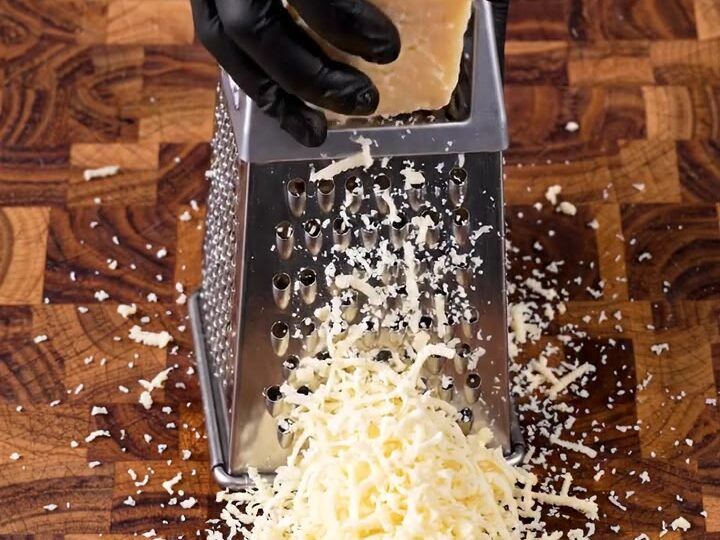
- Prepare the tomatoes and garlicHalve the cherry tomatoes with a chef's knife. Smash the peeled garlic cloves with the flat side of the knife. Tear the basil leaves by hand and set them aside on the board. Grate the parmesan over a fine box grater to make a fluffy mound of shavings.Look for Tomato halves are cut side up, garlic is flattened and fragrant, and the parmesan falls in light, fluffy shavings.Tip Dry the tomato halves with a towel so they blister instead of steaming in the pan.
- Cube the brieRemove the rind from the brie and cut the cheese into cubes about the size of a dice. Keep the cubes cold on a plate until the skillet is ready, so they hold their shape a little longer before melting.Look for The brie cubes are even in size and firm enough to hold their shape when lifted.Tip Cold cubes soften in the pan without collapsing into a puddle before the gnocchi are browned.
At the end of this phase the gnocchi should be golden on several sides, with crisp edges and a tender center. The butter and oil should smell nutty and warm, and the smashed garlic should be fragrant rather than dark. The gnocchi should look lightly glossy from the butter, with no pale, floury patches left on their surfaces.
Before you move on, check that the pieces are in a single layer and that the pan is still sizzling gently. If the garlic looks dark brown or smells sharp, lower the heat slightly and remove the garlic before you add the tomatoes so the sauce does not taste bitter.
Tomatoes blistered, brie softened
- Brown the gnocchi in butter and oilSet the cast iron skillet over medium-high heat. Add the butter and olive oil and let them melt and sizzle. Add the smashed garlic and cook for about 1 minute, until fragrant. Add the gnocchi in a single layer and toss until golden on several sides.Look for The butter foams, the garlic smells sweet and toasty, and the gnocchi turn golden in spots.Tip Do not crowd the gnocchi; spread them in an even layer so each piece browns.
- Add tomatoes and brieScatter the halved cherry tomatoes and the brie cubes across the pan. Sprinkle with about half of the grated parmesan, a generous pinch of kosher salt and black pepper. Cook without stirring for 2 to 3 minutes, so the tomatoes blister and the brie softens.Look for The tomato skins wrinkle and blister, and the brie softens and begins to pool around the gnocchi.Tip Season in layers: a light pinch of salt now keeps the cheese and tomatoes from tasting flat.
At the end of this phase, the cherry tomato skins should be wrinkled and blistered, and the juices should have started to thicken around the gnocchi. The brie cubes should be soft and beginning to melt into the pan, with the edges rounded and glossy. You should also see a light coating of parmesan clinging to the gnocchi.
Before you continue, make sure the tomatoes have not collapsed into a sauce and that the brie is still partly cubed, so the top layer can crisp in the final phase. If the tomatoes are releasing too much liquid, turn the heat up for a minute to evaporate it, then reduce the heat again before finishing.
Crust melted and basil added
- Melt the cheese crust and finishTop the skillet with the remaining grated parmesan, spreading it over the gnocchi and brie. Continue cooking for 2 to 3 minutes, until the cheese melts and turns golden at the edges. Remove from the heat, scatter the torn basil over the top and serve straight from the skillet.Look for The top cheese melts into a bubbling, golden crust and the basil wilts slightly when it hits the warm pan.Tip Serve immediately, while the brie is still molten and the crust is crisp.
At the end of this phase, the top layer of parmesan should have melted into a bubbling, golden crust, and the edges of the cheese should be browned. The basil should have wilted slightly in the residual heat, releasing its fragrance across the pan. The brie should be gooey and warm throughout, and the tomatoes should look glossy and jammy. Before serving, check that the crust has formed evenly across the surface and that no cheese has burned along the rim of the skillet. Serve immediately, because the crust softens and the molten brie firms as the skillet cools.
Common mistakes
The most common mistake is crowding the pan. When too many gnocchi sit in a single pile, they steam instead of browning and become soft and pale. Spread them in one layer and work in batches if your skillet is small. Another mistake is adding the tomatoes too early, before the gnocchi have developed color; the moisture from the tomatoes stops the browning.
Heat that is too high can scorch the garlic and the parmesan, while heat that is too low prevents the crust from forming. Keep the heat at medium-high while browning and reduce it slightly once the cheese goes on. Finally, do not let the dish sit for long before serving, because the molten brie and the golden crust both lose their appeal as they cool.
How to tell it’s done
This dish is done when the gnocchi are golden and crisp on their outer surfaces, the tomatoes have blistered, and the brie has melted into a soft, creamy sauce that coats the pan. The parmesan on top should be bubbling and golden at its edges. The dish contains no raw meat, poultry, fish, or eggs, so no internal temperature needs to be checked; the cheese is ready when it has melted fully and browned in spots. If you want a more precise guide, the gnocchi should be tender when pierced with a fork, with a slight chew and no raw, floury center.
Up next · Part 3 of 3
4 variations · storage & make-ahead · 5 answers · printable card
Tips, FAQ & printable recipe (Part 3)← Back to the ingredients (Part 1)