Dinner · Part 2 of 3: Instructions
Blistered Tomato Gnocchi Skillet with Brie and Basil Step-by-step instructions
- Prep
- Cook
- Total
- Serves
- 4
Before you start
Gather everything before you turn on the stove, because this skillet moves quickly once the gnocchi hit the hot pan. Bring a large pot of water to a boil and salt it generously, then set it aside on low heat; you do not need to cook the gnocchi in it, but keeping water hot is useful if you need to reheat leftovers. Halve any large cherry tomatoes and leave small ones whole.
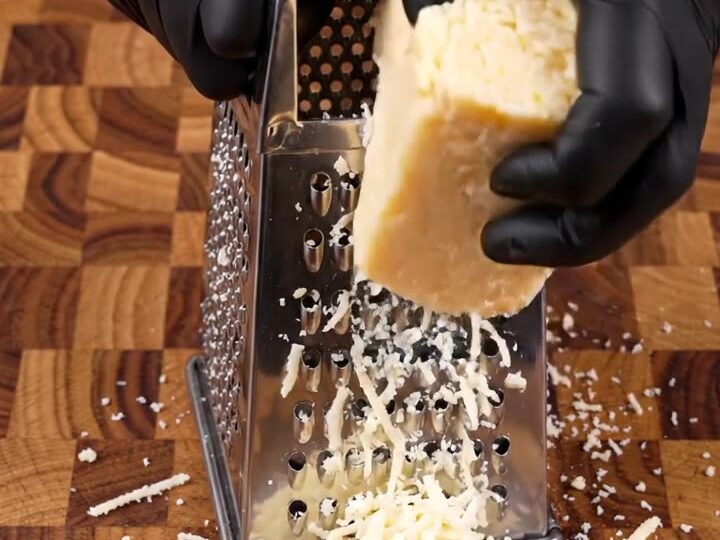
Slice the garlic thinly so it turns golden in about a minute. Cut the brie into rough pieces after removing the rind, and place them on a plate. Finely grate the hard cheese and tear the basil leaves into rough pieces, keeping them separate from the other ingredients. Measure the butter and oil and set them within reach of the stove.
Ingredients at a glance (9)
- 1 lb potato gnocchi
- 3 tbsp unsalted butter
- 4 cloves garlic, thinly sliced
- 2 cups cherry tomatoes, halved if large
- 4 oz brie cheese, rind removed, cut into pieces
- 1/3 cup finely grated hard cheese, such as Parmesan
- 1/2 cup fresh basil leaves, torn
- kosher salt and black pepper to taste
- 1 tbsp olive oil
Instructions
Gnocchi and tomatoes sear
- Start the gnocchiBring a large pot of salted water to a boil. Heat the olive oil in the skillet over medium-high heat, add the gnocchi in a single layer and let them sear undisturbed until the bottoms turn light golden, about 3 minutes, then toss them and sear the other sides.Look for Gnocchi edges turn pale golden and the surface looks dry and slightly blistered.Tip Do not crowd the pan; work in two batches if needed so each piece browns instead of steaming.
- Blister the tomatoesLower the heat to medium. Add the cherry tomatoes to the skillet with the gnocchi and let them cook without stirring until their skins split and blister, about 4 minutes. Season with salt and black pepper.Look for Tomato skins split and blister, and juices begin to pool in the pan.Tip Leave the tomatoes alone for the first minutes so they char slightly and keep their shape.
At the end of this phase the gnocchi should have pale golden, slightly blistered edges while their centers stay soft and tender. The cherry tomatoes should be splitting, with their skins wrinkled and their juices beginning to gather around the gnocchi in the pan. Everything should smell toasty and fresh rather than burnt.
Before moving on, check that the pan is not crowded and that no piece is sticking hard to the bottom. If the gnocchi are browning too fast, lower the heat slightly. If the tomatoes look dry, a splash of pan juice is normal and can be left in. You are ready to go on once the color is even and the tomatoes have begun to collapse gently at their tops.
Garlic butter and cheese melt
- Build the garlic butterPush the gnocchi and tomatoes to one side of the skillet. Add the butter to the empty side and let it melt, then add the sliced garlic and stir for 1 minute until fragrant and just golden, not brown.Look for Butter foams, then the garlic smells sweet and toasty within a minute.Tip Keep the heat at medium so the garlic turns golden without any bitter, burnt edges.
- Toss with butter and cheeseToss the gnocchi and tomatoes through the garlic butter to coat evenly. Scatter the brie pieces over the top, then sprinkle with the grated hard cheese and cover the skillet for 1 minute so the cheese softens.Look for Brie begins to soften and melt into the pan juices, and the grated cheese looks glossy.Tip Cover briefly only to melt the cheese; uncover once it looks creamy so the gnocchi stay golden.
At the end of this phase the butter should be foamy and fragrant, the garlic just golden at the edges, and the brie should be soft and beginning to melt into the pan juices. The grated hard cheese should look glossy and slightly clumped against the gnocchi. The aroma should be buttery, garlicky and savory, without any bitter smell. Before going on, check that the garlic is not dark brown, because brown garlic tastes harsh. If the cheese has not started to soften after a minute of covered cooking, give the pan another brief rest. Once the brie looks creamy and the cheese is melted, you can finish the dish with basil and seasoning.
Basil and final plating
- Finish with basilRemove the skillet from the heat. Tear the basil leaves over the top and stir gently, letting the residual heat wilt the basil and loosen the brie into a creamy sauce. Taste and add more salt or pepper if needed.Look for Basil turns bright green and shiny, and the brie coats the gnocchi in a creamy layer.Tip Add the basil off the heat so it stays vivid and fragrant rather than dark.
- Serve straight from the panSpoon the blistered tomato gnocchi onto warm plates or serve it straight from the skillet while the cheese is still soft. Finish with a little extra grated hard cheese and black pepper if you like.Look for The skillet is glossy, golden and fragrant, with melted cheese stretching between the gnocchi.Tip Serve right away, because the brie firms up as it cools.
At the end of this phase the skillet should look golden, glossy and fragrant, with melted cheese coating the gnocchi and tomatoes in a light, creamy layer. The torn basil should be bright green and just wilted from the residual heat, not dark or limp. The gnocchi should still be warm and tender in the center, and the brie should be stretching slightly when spooned. Before serving, taste for salt and pepper and adjust if needed. Plate quickly, since brie firms up as the dish cools. The pan itself should look appealing enough to serve from directly at the table.
Common mistakes
The most common mistake is crowding the pan. Gnocchi piled together release moisture and steam instead of browning, so they turn soft and pale rather than golden. Use a wide skillet and cook in two batches if your pan is small. Another frequent error is adding the basil while the pan is still on high heat, which turns the leaves dark and bitter.
Garlic added too early can burn in the hot butter, leaving a harsh taste, so always lower the heat before adding it. Finally, leaving the brie in the pan too long can cause the cheese to separate. Remove the skillet from the heat once the brie has melted and the sauce looks creamy, then serve promptly so the texture stays smooth and glossy.
How to tell it’s done
This dish is done when the gnocchi are golden on their outer surfaces and tender in the center, when the cherry tomatoes have split and softened into their juices, and when the brie has melted into a creamy coating over everything. The garlic should be pale golden and the basil bright green.
Because this recipe contains no meat, poultry, fish or eggs, there is no protein temperature to check; the doneness test is texture and color. Taste a gnocchi: the crust should be slightly crisp, and the inside should be soft, not doughy or raw. If the gnocchi still feel firm in the middle after the browning stage, cover the pan on low heat for another minute and check again before adding the cheese.
Up next · Part 3 of 3
4 variations · storage & make-ahead · 5 answers · printable card
Tips, FAQ & printable recipe (Part 3)← Back to the ingredients (Part 1)