Dinner · Part 2 of 3: Instructions
Blistered Tomato Gnocchi with Molten Brie in Garlic Butter Step-by-step instructions
- Prep
- Cook
- Total
- Serves
- 4
Before you start
Before cooking, halve the cherry tomatoes and thinly slice the garlic. Grate the mozzarella and parmesan, and cut the brie into small pieces. Have all the ingredients and equipment ready, including a large cast iron skillet, a box grater, and a wooden spoon.
If using shelf-stable gnocchi, no boiling is needed; if using refrigerated or frozen gnocchi, check the package for whether it needs a quick boil or can be added directly to the skillet.
Ingredients at a glance (11)
- 1 lb store-bought or homemade gnocchi
- 2 cups cherry tomatoes, halved
- 4 cloves garlic, thinly sliced
- 4 tbsp unsalted butter
- 2 tbsp garlic herb butter (store-bought or homemade)
- 1 cup whole milk mozzarella, shredded
- 1/2 cup aged parmesan, grated
- 8 oz brie, rind removed and cut into pieces
- 1/4 cup fresh basil leaves, torn
- Kosher salt, to taste
- Black pepper, to taste
Instructions
Prep and Sear
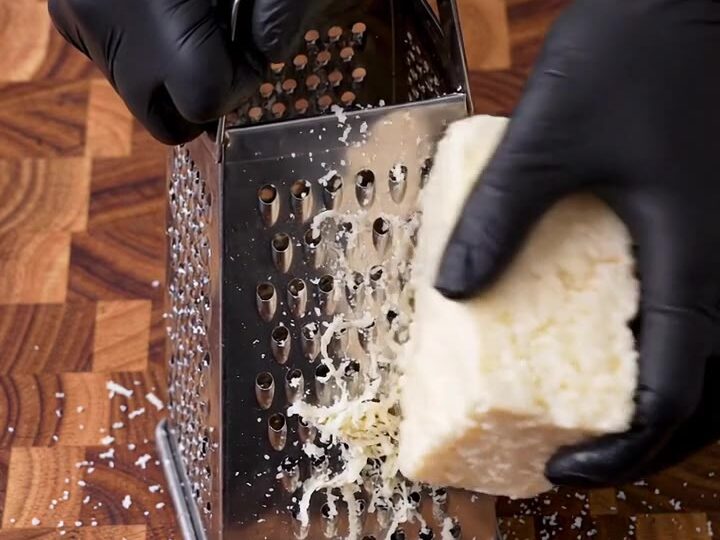
- Prep the IngredientsHalve the cherry tomatoes and thinly slice the garlic cloves. Grate the whole milk mozzarella and aged parmesan on the large holes of a box grater into separate piles. Cut the brie into small pieces, removing the rind if desired. Set everything aside within easy reach of the stove.Look for Tomatoes are halved, garlic is thin, and cheeses are grated.Tip Keep the brie cold until ready to use so it holds its shape when added.
- Melt the ButtersPlace a large cast iron skillet over medium heat. Add the unsalted butter and garlic herb butter. Let the butter melt and foam slightly, then add the sliced garlic. Cook for 1 to 2 minutes until the garlic is fragrant and just beginning to turn golden, but not browned.Look for Butter is melted and foaming, garlic is aromatic and pale gold.Tip If the butter browns too quickly, lower the heat to keep the garlic from burning.
The butter is melted and foaming, the garlic is fragrant, and the gnocchi are beginning to turn golden. The tomatoes are starting to blister and release their juices.
The skillet should smell buttery and garlicky, and the gnocchi should have a light golden crust on the bottom. If the gnocchi are browning too quickly, reduce the heat.
Season and Cheese
- Sear the Gnocchi and TomatoesAdd the gnocchi and halved cherry tomatoes to the skillet in a single layer. Let them cook undisturbed for 3 to 4 minutes until the gnocchi are golden brown on the bottom and the tomatoes begin to blister and burst. Stir occasionally, then continue cooking for another 3 to 4 minutes until the tomatoes are soft and the gnocchi are crispy on several sides.Look for Gnocchi are golden and crisp, tomatoes are blistered and juicy.Tip Don't overcrowd the pan; work in batches if needed to ensure browning.
- Season the SkilletSeason the gnocchi and tomatoes with kosher salt and black pepper to taste. Stir gently to coat everything evenly with the garlic butter and tomato juices. Taste a gnocchi and adjust the seasoning if needed.Look for The mixture is well seasoned and glossy with butter.Tip Go easy on the salt since the cheeses add saltiness later.
The gnocchi are golden and crisp, the tomatoes are soft and blistered, and the seasoning is balanced. The cheeses are melted and bubbling, with the brie turning creamy and the mozzarella stretching when lifted. The skillet should be covered to ensure even melting, and the aroma should be rich and cheesy.
Finish and Serve
- Add the CheesesReduce the heat to low. Sprinkle the shredded mozzarella evenly over the gnocchi and tomatoes. Scatter the brie pieces on top. Sprinkle half of the grated parmesan over the skillet. Cover the skillet with a lid or foil for 2 to 3 minutes until the cheeses are melted and bubbly.Look for Cheeses are melted and bubbling, with brie turning creamy.Tip Covering helps the cheese melt evenly without drying out the skillet.
- Finish and ServeRemove the lid. Scatter the torn basil leaves and the remaining grated parmesan over the top. Use a spoon to lift a portion, pulling up to show the stretchy cheese. Serve directly from the skillet while hot.Look for Cheese is stretchy and golden, basil is fragrant.Tip Serve immediately for the best gooey texture.
The basil is scattered and the parmesan is sprinkled over the top. The cheese is stretchy and golden, and the dish is bubbling and fragrant. Serve immediately from the skillet for the best gooey texture. The cheese pull should be long and satisfying, and the basil adds a fresh, herbal note.
Common mistakes
A common mistake is overcrowding the skillet, which prevents the gnocchi from browning properly. Cook in a single layer and let them sit undisturbed for a few minutes before stirring. Another mistake is using pre-shredded cheese that doesn’t melt smoothly—grate your own.
Also, be careful not to burn the garlic; keep the heat moderate and stir frequently. Finally, don’t skip covering the skillet when melting the cheese, as it helps the cheese melt evenly without drying out.
How to tell it’s done
The dish is done when the gnocchi are golden brown and crisp on the outside, the tomatoes are blistered and have released their juices, and the cheeses are fully melted and bubbling.
The mozzarella should be stretchy when lifted, and the brie should be creamy and molten. If the cheese isn’t melting quickly, cover the skillet for a few extra minutes. The skillet should be served immediately for the best texture.
Up next · Part 3 of 3
4 variations · storage & make-ahead · 5 answers · printable card
Tips, FAQ & printable recipe (Part 3)← Back to the ingredients (Part 1)