Desserts · Part 2 of 3: Instructions
Decadent Three-Layer Black Velvet Cake with Rich Chocolate Ganache Step-by-step instructions
- Prep
- Cook
- Total
- Serves
- 12
Before you start
Before beginning the assembly, ensure the cake layers are completely cool to the touch. If the layers are warm, the frosting will lose its structure and the cake may become unstable. Prepare your workspace by laying out the cake stand, an offset spatula, and your prepared frosting and ganache.
If the ganache has thickened, gently warm it in a small saucepan over low heat until it reaches a pourable, silky consistency. Have a clean cloth nearby to wipe away any drips that may fall onto the cake stand base, keeping the final presentation neat and tidy.
Ingredients at a glance (3)
- 3 layers chocolate sponge cake layers, store-bought or made ahead
- 2 cups chocolate fudge frosting
- 1 cup warm chocolate ganache
Instructions
Layering the sponge
- Frosting the cake layersPlace the first chocolate sponge cake layer on a flat serving plate or cake stand. Using an offset spatula, spread an even layer of chocolate fudge frosting over the top surface. Carefully place the second layer on top and repeat the frosting process. Add the third layer to finish the stack.Look for The frosting should be smooth and even across each layer to ensure stability.Tip Use a chilled offset spatula to make spreading the thick fudge frosting much easier.
The cake layers are stacked securely, with an even distribution of fudge frosting between each tier. The edges of the cake are aligned vertically, providing a stable foundation for the final frosting coat.
Check that no frosting is squeezing out excessively between the layers before moving on to the exterior coating.
Frosting the exterior
- Applying the final coatApply the remaining chocolate fudge frosting to the top and sides of the stacked cake. Ensure the entire surface is covered uniformly, creating a smooth and professional finish. Use the edge of the offset spatula to create gentle swirls or keep it perfectly flat depending on the desired look.Look for The cake should be fully encased in a layer of rich, dark fudge frosting.Tip A rotating cake stand helps significantly when smoothing the frosting around the sides.
The entire cake is covered in a smooth, consistent layer of fudge frosting. There are no gaps or visible sponge sections. The surface is level, and the sides are straight, ready to receive the decorative ganache drip. Ensure the frosting is chilled slightly if it feels too soft to handle.
Creating the ganache drip
- Adding the ganache drip and final settingSlowly pour the warm chocolate ganache over the center of the cake. Allow it to flow naturally over the edges, creating attractive drips down the sides. To ensure any egg-based components in the frosting or cake are fully set and safe, ensure the internal temperature of the cake assembly reaches 160°F (71°C) if baked fresh, though store-bought layers are already cooked.Look for The ganache should form glossy, thick drips that stop halfway down the cake sides.Safe temperature 160°F (71°C) internal temperature (egg dishes)Tip Test the ganache consistency on a small plate before pouring it over the entire cake.
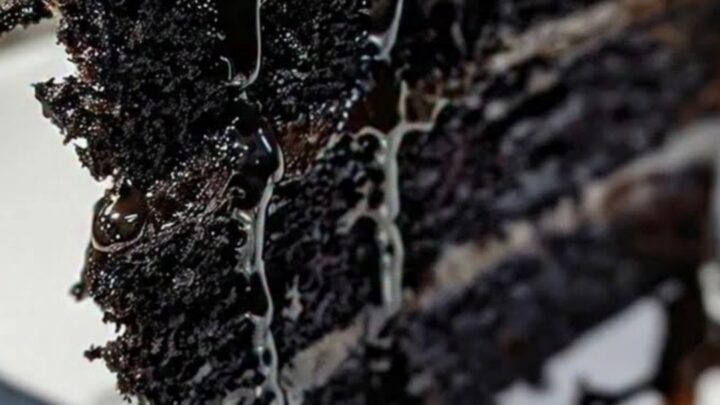
The chocolate ganache has been poured over the center and has cascaded down the sides in beautiful, even drips. The ganache has begun to set, appearing glossy and smooth. Check that the drips are of a consistent length and that the top of the cake is evenly covered with a thin, reflective layer.
Common mistakes
A common mistake is applying the ganache while it is still too hot, which can cause the fudge frosting to melt and create a messy, unappealing look. Always test the temperature by pouring a small amount on the back of a spoon.
Another error is rushing the assembly; if the layers are not properly aligned or the frosting is not spread evenly, the final cake may lean or appear uneven, detracting from the professional appearance of the dessert.
How to tell it’s done
The cake is considered done when the layers are securely stacked and the ganache has set into a glossy, semi-firm finish. The frosting should be stable and not show any signs of sliding or melting away from the cake.
When cutting, the knife should glide through the sponge and frosting without resistance, revealing clean, distinct layers that maintain their shape beautifully on the plate. If internal temperature is measured for safety, ensure it reaches 160°F (71°C).
- Egg dishes: 160°F (71°C) in the thickest part
Up next · Part 3 of 3
2 variations · storage & make-ahead · 3 answers · printable card
Tips, FAQ & printable recipe (Part 3)← Back to the ingredients (Part 1)