Breakfast · Part 2 of 3: Instructions
Black Sea Kuymak: One-Pan Cornmeal & Cheese Porridge Step-by-step instructions
- Prep
- Cook
- Total
- Serves
- 4
Before you start
Before you begin, gather all your ingredients and equipment. Shred the cheese if you bought it in a block—you'll need about 2 cups, loosely packed. Measure the cornmeal and have the water ready at room temperature.
Choose a pan that's wide enough to allow the mixture to bubble without overflowing. If you're using a copper pan, make sure it's clean and dry. Set out a wooden spoon, a whisk, and a fork for serving. This is a quick recipe, so having everything within reach makes the process smooth.
Ingredients at a glance (4)
- 2 tbsp unsalted butter
- 1 cup cornmeal (medium or fine grind)
- 1 cup water, at room temperature
- 1 large bowl shredded çeçil or kolot cheese (about 2 cups / 8 oz)
Instructions
Toasting the Cornmeal
- Melt the butterPlace a copper sahan pan or a heavy skillet over medium-low heat. Add the unsalted butter and let it melt slowly, swirling the pan occasionally, until it is fully melted and begins to foam. The butter should turn a light golden color with a nutty aroma, but do not let it brown. This takes about 2 minutes.Look for Butter is foaming and golden, not browned.Tip Keep the heat moderate so the butter doesn't burn before the cornmeal is added.
- Toast the cornmealAdd the cornmeal to the foaming butter in an even layer. Stir continuously with a wooden spoon or whisk, scraping the bottom and edges, for 3 to 4 minutes. The cornmeal will sizzle gently and gradually become fragrant, turning a shade darker. It should not color too deeply; the goal is to release its toasty aroma.Look for Cornmeal smells nutty and toasty, with a slightly deeper color.Tip Constant stirring prevents scorching. If the mixture seems too dry, add a splash of water.
At the end of this phase, the butter should be foaming and lightly golden, and the cornmeal should be coated in butter and sizzling gently. The aroma will be distinctly nutty and toasty.
The cornmeal will have darkened slightly but should not be browned. If any grains are sticking, keep stirring. The pan should look dry, with the cornmeal moving freely. This is the foundation for a rich, flavorful kuymak.
Simmering the Porridge
- Add the waterPour the room-temperature water into the pan with the toasted cornmeal. Whisk immediately to combine, breaking up any lumps. The mixture will bubble and steam. Reduce the heat to low and continue whisking for 5 to 7 minutes, until the cornmeal absorbs the water and swells into a smooth, thick porridge. It should pull away from the sides of the pan.Look for Porridge is thick, smooth, and pulls away from the pan.Tip Whisking steadily ensures a silky texture. If it becomes too stiff, add a tablespoon of water at a time.
- Simmer the porridgeLet the cornmeal porridge simmer gently over low heat for another 3 to 4 minutes, stirring occasionally. It will thicken further and become velvety. The surface may show small bubbles. This step allows the cornmeal to fully cook and soften, ensuring no raw grain remains.Look for Porridge is glossy and velvety, with a soft, spoonable consistency.Tip If the porridge is too thick, add a little water; if too thin, cook a bit longer.
The porridge should be thick and smooth, with no lumps. It will pull away from the sides of the pan as you stir. The texture should be velvety, almost like a soft polenta. The color will be a uniform golden yellow. Small bubbles will appear on the surface. Taste a tiny bit to ensure the cornmeal is tender and no longer gritty. If it's still crunchy, add a splash of water and continue cooking.
Melting the Cheese
- Add the cheeseScatter the shredded çeçil or kolot cheese over the hot porridge. Stir gently with a spatula or wooden spoon, folding the cheese into the mixture. The cheese will begin to melt almost immediately, forming long, stretchy strands. Continue stirring for 2 to 3 minutes, until the cheese is fully incorporated and the mixture is glossy and cohesive.Look for Cheese is melted and stretchy, blending into the porridge.Tip Keep the heat low to prevent the cheese from separating or becoming rubbery.
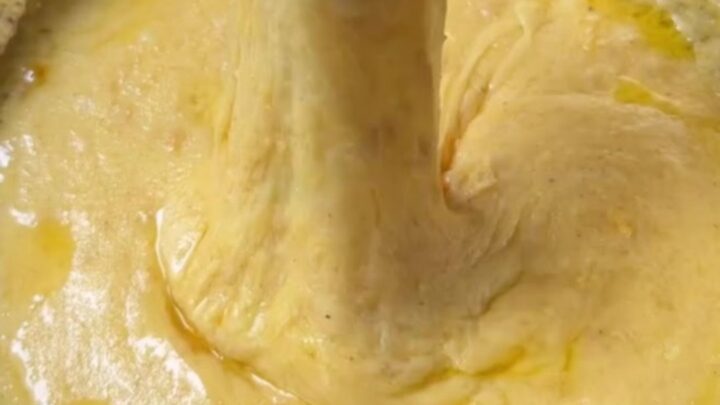
- Pull and serveOnce the cheese is fully melted, give the kuymak one final stir. Then, using a fork, lift a portion of the cheese from the center and pull it straight up. The cheese should stretch high, creating long, glossy ribbons. Serve immediately while hot, directly from the pan. The texture will be creamy and luxurious.Look for Cheese pulls in long, smooth strands when lifted with a fork.Tip Serve right away; kuymak thickens and sets as it cools.
The cheese should be fully melted and folded into the porridge, creating long, stretchy strands. The mixture will look glossy and cohesive, with a slight sheen from the butter. When you lift a fork, the cheese should pull up in a continuous ribbon, dripping with butter. The smell will be rich and milky. The kuymak should be thick enough to hold its shape but still soft and creamy. Serve immediately.
Common mistakes
One common mistake is overheating the butter, which can burn and give the dish a bitter taste. Keep the heat at medium-low and watch for a golden foam, not brown. Another pitfall is adding the water too quickly, which can cause the cornmeal to clump.
Whisk constantly as you pour. Also, don't skimp on the toasting step—it's what gives the dish its depth of flavor. Finally, adding the cheese too early or over high heat can cause it to separate and become oily. Always add it at the end and stir gently over low heat.
How to tell it’s done
The kuymak is done when the cornmeal is fully cooked and tender, and the cheese is completely melted and incorporated. The mixture should be thick enough to hold its shape on a spoon but still soft and creamy. When you lift a forkful, the cheese should stretch in long, smooth ribbons without breaking.
The color should be a warm, golden yellow with glossy patches of melted cheese. If the mixture looks dry or stiff, stir in a tablespoon of water and cook for another minute. If it's too loose, continue simmering until it thickens.
Up next · Part 3 of 3
4 variations · storage & make-ahead · 5 answers · printable card
Tips, FAQ & printable recipe (Part 3)← Back to the ingredients (Part 1)