Desserts · Part 3 of 3: Tips & recipe card
Black Forest Cherry Almond Dark Chocolate Bark Tips, FAQ & printable recipe
- Prep
- Cook
- Total
- Serves
- 12
Tips for success
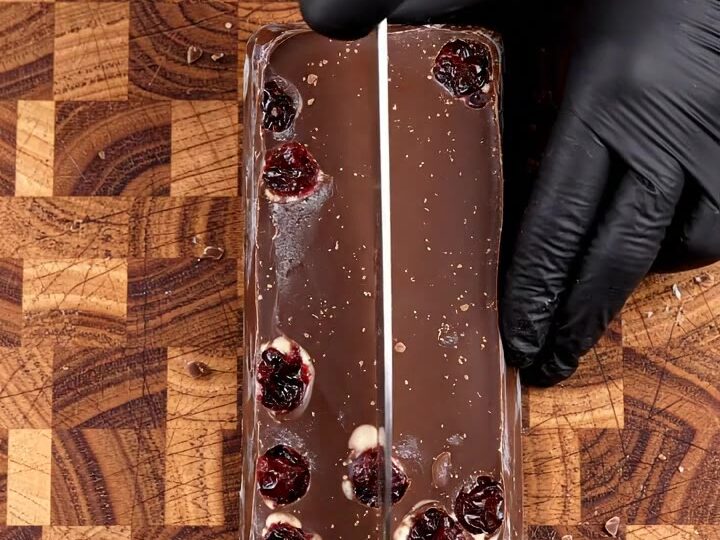
For the cleanest slices, use a sharp chef's knife and score the top of the bark before cutting. Press down firmly and evenly—the chocolate will crack along the score line.
If the bark is too hard, let it sit at room temperature for 5 minutes to soften slightly. For a more rustic look, you can also break the bark into irregular shards with your hands.
Store the bark in an airtight container in a cool, dry place for up to 2 weeks. Do not refrigerate, as condensation can dull the shine.
If you live in a warm climate, you can keep it in the fridge, but bring it to room temperature before serving to restore the glossy finish. The bark also makes a wonderful gift—wrap it in parchment and tie with twine.
Variations
- Spiced Cherry Bark: Add 1/2 teaspoon ground cinnamon and a pinch of cayenne to the melted chocolate before pouring. This gives a warm, spicy kick that complements the cherries and almonds.
- White Chocolate Swirl: Replace half the dark chocolate with white chocolate. Melt separately and swirl together with the cherry reduction for a marbled red-and-white effect.
- Pistachio and Orange: Use shelled pistachios instead of almonds and add 1 tablespoon orange zest to the cherry reduction. The citrus brightens the dark chocolate and adds a fresh note.
- Salted Caramel Drizzle: After swirling the marzipan and cherry, drizzle 1/4 cup of warm salted caramel over the top and swirl lightly. Sprinkle with flaky sea salt before chilling.
Storage and make-ahead
- Fridge
- Refrigerate only if the room is very warm; bring to room temperature before serving to restore gloss.
- Freezer
- Freeze the whole slab in an airtight container for up to 3 months. Thaw in the refrigerator overnight before slicing.
- Reheat
- No reheating needed. If the bark has softened, chill briefly to firm it up before slicing.
Store the bark in an airtight container at room temperature for up to 2 weeks. Keep it away from direct sunlight and heat to prevent melting. If the room is very warm, you can refrigerate it, but let it come to room temperature before serving to avoid condensation. The bark will remain crisp and glossy for at least a week.
The bark can be made up to 2 weeks in advance. After it is fully set, store it in an airtight container at room temperature. It is best to slice it just before serving to maintain the cleanest edges. You can also freeze the whole slab for up to 3 months; thaw in the refrigerator overnight, then slice and serve.
Serving ideas
Serve the bark as a standalone dessert with coffee or tea. The bitterness of the dark chocolate pairs beautifully with a strong espresso or a fruity black tea.
For a more indulgent presentation, arrange the bars on a platter with fresh cherries and a dusting of cocoa powder. The bark also works well as a garnish for ice cream or mousse.
Because the bark is sliced into thick bars, it is substantial enough to satisfy a chocolate craving on its own. Break it into smaller pieces for a candy bowl or dessert board.
The combination of crunchy almonds, chewy cherries, and smooth chocolate makes every bite interesting. It is a versatile treat that can be dressed up for a party or enjoyed as a simple afternoon snack.
Frequently asked questions
Can this bark be made with milk chocolate instead of dark?
What is the best way to melt dark chocolate without it seizing?
Can the cherry reduction be substituted with something else?
Why does the bark sometimes look dull or bloom?
How should the bark be sliced to keep the layers intact?
Black Forest Cherry Almond Dark Chocolate Bark
Ingredients
- 12 oz 75% dark chocolate, chopped
- 1/2 cup cherry reduction (store-bought or homemade)
- 1/2 cup almond marzipan cream, at room temperature
- 1/2 cup chopped almonds, toasted
- 1/2 cup dried cherries, chopped
Instructions
- Line a 9x13-inch baking tray with parchment paper, leaving an overhang on two sides for easy lifting. Toast the chopped almonds in a dry skillet over medium heat, stirring frequently, until golden and fragrant, about 3 to 4 minutes. Set aside to cool. Chop the dried cherries into small pieces if they are large. If using a block of chocolate, grate it on a box grater to create curls; if using chopped chocolate, skip grating.
- Place the grated or chopped dark chocolate in a heatproof bowl set over a saucepan of barely simmering water. Stir gently with a rubber spatula until the chocolate is completely melted and smooth. Remove from heat and let cool slightly, about 2 minutes, so it is still fluid but not hot.
- Pour the melted dark chocolate into the prepared tray. Tilt the tray to spread it into an even layer, about 1/4-inch thick. Use a spatula to smooth the surface. The chocolate should cover the bottom completely.
- Drop spoonfuls of almond marzipan cream and cherry reduction randomly over the chocolate surface. Use a knife or toothpick to gently swirl them into the chocolate, creating a marbled pattern. Do not overmix—you want distinct ribbons of flavor.
- Evenly scatter the toasted chopped almonds and dried cherries over the top. Gently press them into the chocolate with your fingers or the spatula so they adhere. The surface should look generously studded with nuts and fruit.
- Place the tray in the refrigerator for at least 1 hour, or until the chocolate is completely firm and set. The bark should be hard to the touch and lift easily from the parchment.
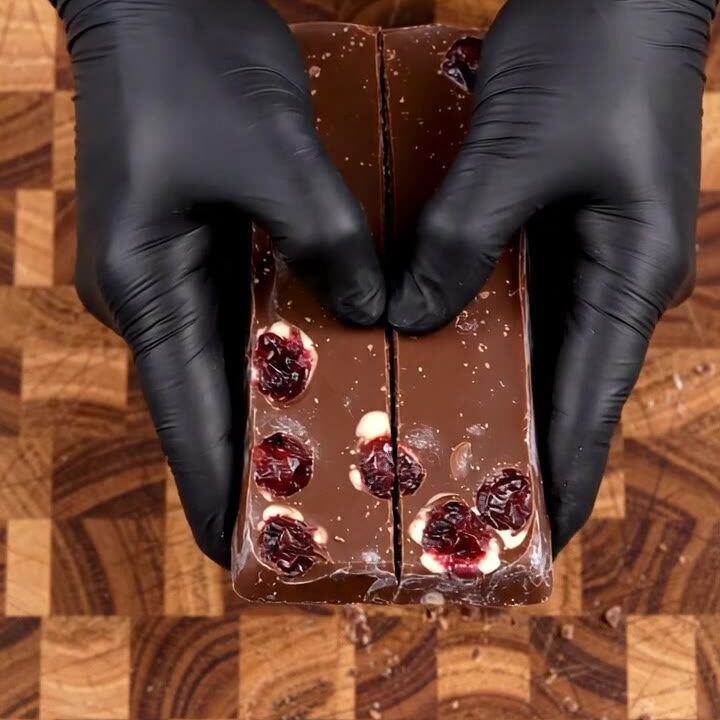
- Lift the bark from the tray using the parchment overhang. Place on a cutting board. Use a sharp chef's knife to cut into thick bars, about 2 inches wide. For a clean break, score the top with the knife and then snap the bark along the score lines. Serve immediately or store in an airtight container.
Estimated nutrition per serving
- Calories
- 290
- Protein
- 4 g
- Carbohydrates
- 28 g
- Fat
- 18 g
Next recipe

Butterscotch Pecan Layer Cake with Brown Butter Sponge
See the recipe → →This recipe is based on a short cooking video and is published under the pen name Clara Weller. It was checked before publication, but errors can slip through. Nutrition, when shown, is an estimate. Read more in our editorial policy and on our food safety page.
More recipes to try

Lemon Blackberry Danish Ricotta Puff Pastry Pinwheels
Total time: 45 min
Biscoff Blonde Chocolate Crunch Bars
Total time: 2 h 30 min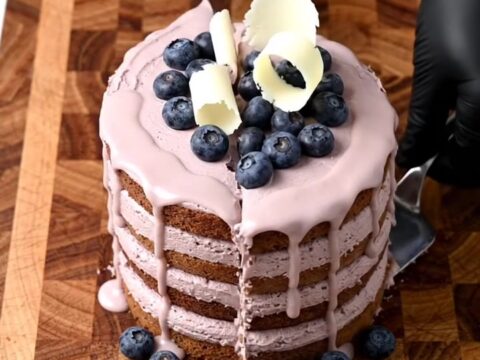
Blueberry Earl Grey Honey Mascarpone Layer Cake
Total time: 1 h 45 min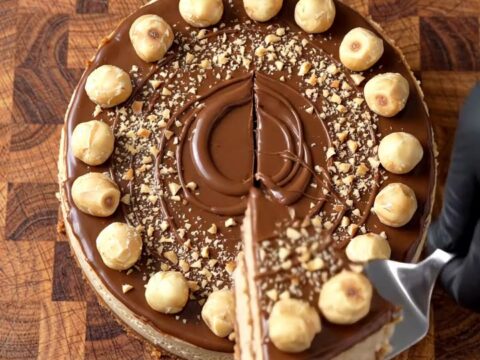
Ferrero Hazelnut Praline Nutella Ganache Cheesecake
Total time: 4 h 30 min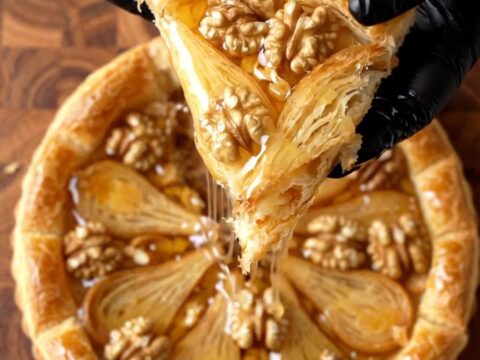
Caramelized Pear Tart with Honey Walnut Puff Pastry
Total time: 1 h