Dinner · Part 3 of 3: Tips & recipe card
Beyti Kebab Rolls with Sizzling Butter and Tomato Sauce Tips, FAQ & printable recipe
- Prep
- Cook
- Total
- Serves
- 4
Tips for success
For the best texture, use a mix of lamb and beef with a higher fat content. If you prefer a leaner option, you can use all beef, but add a tablespoon of olive oil to the mixture to keep it moist.
Grating the onion and squeezing it dry is non-negotiable—it prevents the meat from becoming mushy and helps the kebabs hold together on the grill.
When rolling the lavash, keep the seam side down so it does not unroll. Use a serrated knife for clean slices. If you want extra crispness, you can briefly toast the rolled slices in a hot skillet before serving. The browned butter is the signature element; do not rush it. Let it foam and turn golden, then pour immediately.
Variations
- Chicken Beyti: Use ground chicken or turkey instead of lamb and beef. Add 1 tablespoon of olive oil and an extra teaspoon of cumin to keep the meat moist. Grill until the internal temperature reaches 165°F (74°C).
- Spicy Beyti: Add 1 teaspoon of red pepper flakes or 1/2 teaspoon of cayenne to the meat mixture. Use a spicier tomato sauce or add a chopped fresh chili to the sauce while simmering.
- Vegetarian Beyti: Replace the meat with a mixture of cooked lentils, mushrooms, and walnuts, seasoned with the same spices. Form into logs and pan-fry until browned. Skip the meat-safe temperature step.
- Baked Beyti: After rolling and slicing, place the pinwheels in a baking dish, pour the tomato sauce over, and bake at 375°F (190°C) for 15 minutes. Finish with yogurt and butter as directed.
Storage and make-ahead
- Fridge
- Store leftovers in an airtight container in the refrigerator for up to 3 days. Keep the yogurt separate to prevent the bread from becoming soggy.
- Freezer
- The cooked kebab rolls (without yogurt and sauce) can be frozen for up to 1 month. Thaw overnight in the refrigerator and reheat in a skillet.
- Reheat
- Reheat in a skillet over medium heat, adding a splash of water or tomato sauce to moisten. Avoid microwaving, as it makes the bread chewy.
Leftover kebab rolls can be stored in an airtight container in the refrigerator for up to 3 days. Keep the yogurt and tomato sauce separate if possible, as the bread will soften over time. Reheat gently in a skillet or oven to restore some crispness. The flavors actually develop overnight, making it a great make-ahead dish for the next day.
You can prepare the kebab mixture up to a day in advance and keep it covered in the refrigerator. Grilled kebabs can be cooked and rolled in lavash, then stored in the fridge for a few hours before slicing and serving.
The tomato sauce can be made ahead and reheated. Wait to add the yogurt and browned butter until just before serving for the best texture.
Serving ideas
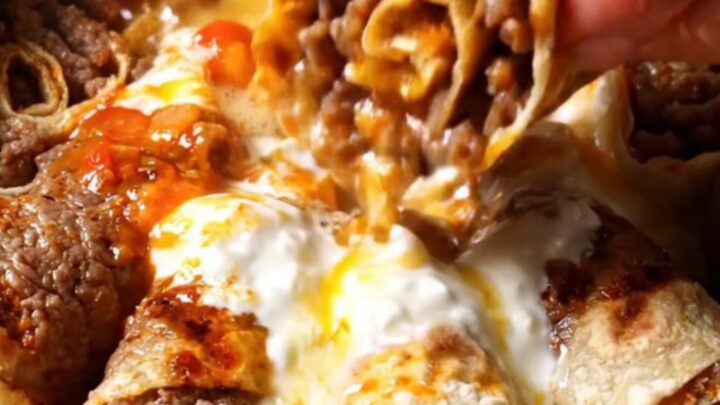
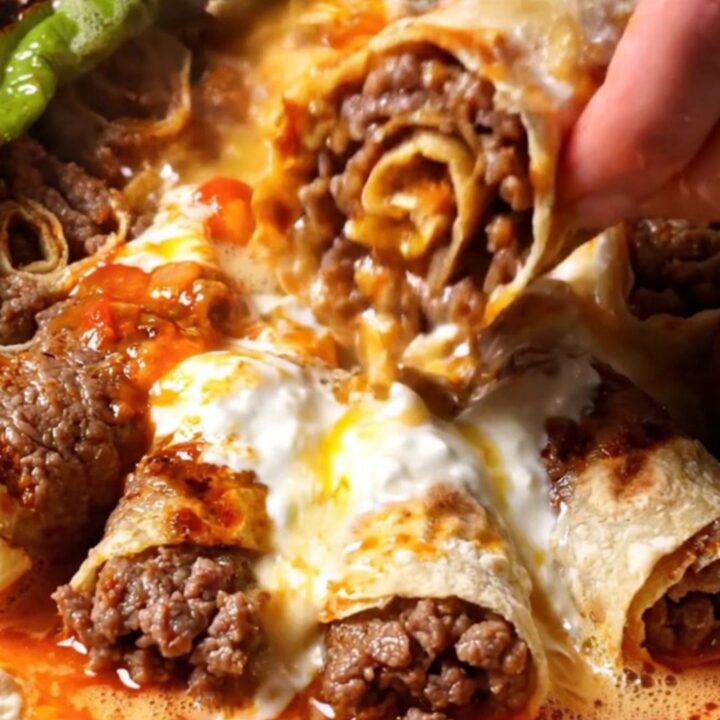
Serve the Beyti rolls hot, straight from the platter, with the sizzling butter still bubbling. The yogurt should be cool and thick, providing a creamy contrast to the warm, spiced meat and tangy tomato sauce.
Grilled peppers on the side add a smoky, slightly sweet element that complements the richness. A simple green salad with lemon and olive oil is a good accompaniment.
This dish is substantial enough to be a main course on its own. For a more traditional presentation, you can serve it with extra lavash on the side for scooping up any sauce and yogurt.
If you like heat, add a sprinkle of Aleppo pepper or chili flakes. The combination of textures—crisp edges, soft bread, juicy meat, and creamy yogurt—is what makes this memorable.
Frequently asked questions
Can this recipe be made with just beef instead of lamb and beef?
What is the best substitute for Turkish strained yogurt?
How do you keep the lavash rolls from unrolling?
Can the kebab mixture be prepared in advance?
Why does the butter need to be browned?
Beyti Kebab Rolls with Sizzling Butter and Tomato Sauce
Ingredients
- 1 1/4 lb ground lamb and beef mix (20% fat)
- 1 medium onion, grated and squeezed dry
- 2 cloves garlic, minced
- 1 tbsp red pepper paste
- 1 tsp salt
- 1 tsp ground cumin
- 2 large round lavash flatbreads
- 100 g unsalted butter, melted (about 7 tbsp)
- 200 g Turkish strained yogurt (about 3/4 cup)
- 200 ml tomato sauce, simmered with 1 tbsp butter
- Grilled peppers, for serving
Instructions
- In a large bowl, combine the ground lamb and beef mix, grated onion, minced garlic, red pepper paste, salt, and ground cumin. Knead the mixture with your hands for 2 to 3 minutes until the paste is evenly distributed and the meat feels sticky. Divide the mixture into 4 equal portions. Shape each portion around a wide skewer, forming a long, even sausage shape about 1 inch thick. The internal temperature should reach 160°F (71°C) on an instant-read thermometer.
- Lay one large round lavash flatbread on a clean work surface. Place one grilled kebab (remove from skewer) along the edge of the lavash. Roll the lavash tightly around the kebab to form a cylinder. Repeat with the remaining lavash and kebabs. Using a sharp knife, slice each rolled cylinder diagonally into 1-inch-wide pieces, creating pinwheel shapes. Arrange the pinwheels in a circular pattern on a serving platter, leaving the center open for the yogurt.
- Spoon the Turkish strained yogurt into the center of the platter, creating a thick mound. In a small saucepan, warm the tomato sauce over low heat, adding 1 tablespoon of butter and stirring until melted. Ladle the warm tomato sauce over the kebab rolls, covering them evenly. The sauce should pool around the yogurt and soak into the edges of the lavash.
- In a small skillet, melt the remaining 100 g (about 7 tbsp) of butter over medium-high heat. Continue cooking until the butter foams and then turns golden brown, with a nutty aroma. Immediately pour the sizzling butter over the kebab rolls and yogurt. The butter will hiss and bubble as it hits the sauce and bread. Garnish with grilled peppers on the side. Serve hot, with extra yogurt and tomato sauce if desired.
Estimated nutrition per serving
- Calories
- 720
- Protein
- 38 g
- Carbohydrates
- 45 g
- Fat
- 42 g
Next recipe
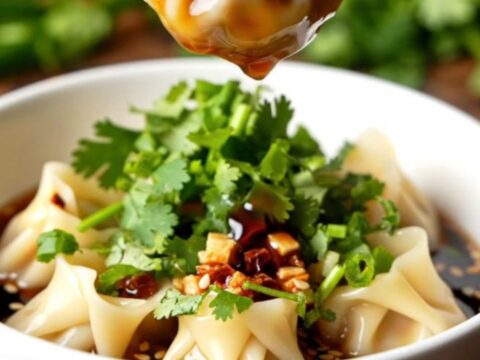
Szechuan Crispy Chili Oil Dumplings in 30 Minutes
See the recipe → →This recipe is based on a short cooking video and is published under the pen name Clara Weller. It was checked before publication, but errors can slip through. Nutrition, when shown, is an estimate. Read more in our editorial policy and on our food safety page.
More recipes to try

Crispy Baja Fish Tacos with Chipotle Crema & Mango Slaw
Total time: 35 min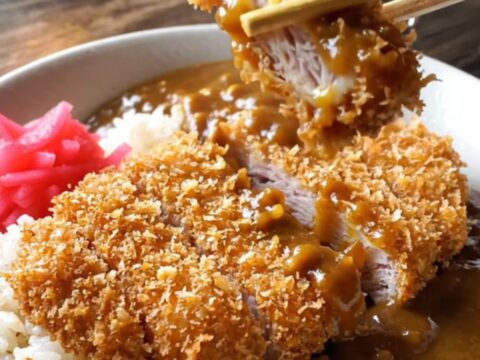
Crispy Pork Katsu Curry Bowl with Pickled Radish
Total time: 48 min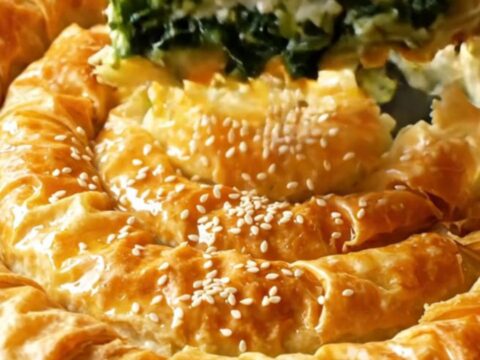
Ultra-Crisp Spinach and Feta Filo Spiral Pie
Total time: 1 h 20 min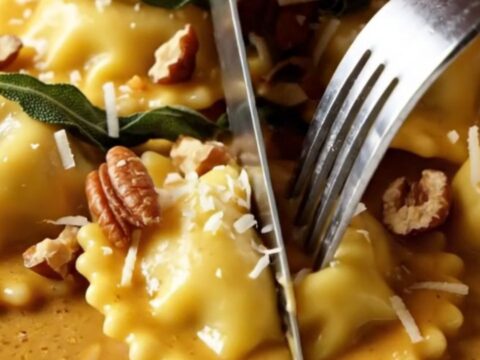
Creamy Butternut Squash Ravioli with Crispy Sage
Total time: 15 min
Creamy Lobster Bisque with Toasted Garlic Croutons
Total time: 1 h 10 min