Dinner · Part 1 of 3: Ingredients
Bayou Butter Garlic Corn Sea Scallops: One-Pot Crockpot Feast
- Prep
- Cook
- Total
- Serves
- 4
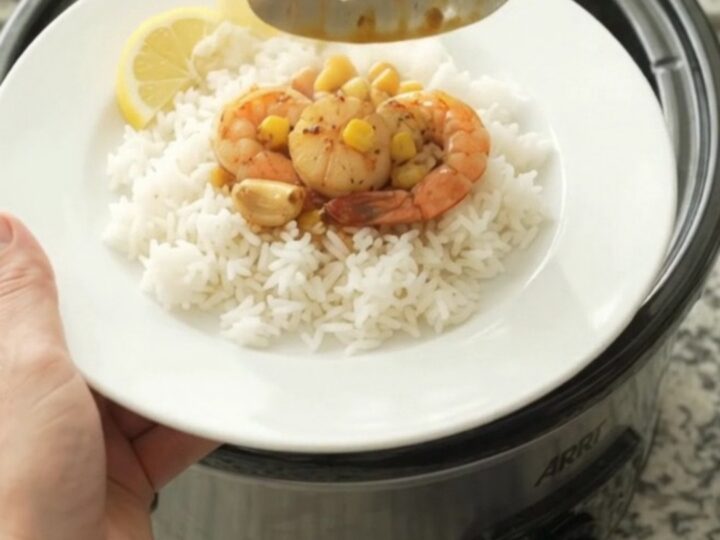
Imagine coming home to the smell of garlic and butter simmering with sweet corn and tender seafood—without spending hours over a hot stove. This Crockpot Bayou Butter Garlic Corn Sea Scallops recipe delivers exactly that: a one-pot, hands-off dinner that tastes like a Louisiana seafood boil.
Just layer scallops, shrimp, corn, and garlic in the slow cooker, pour over a spiced Cajun butter sauce, and let time work its magic. The result is a rich, savory, slightly spicy dish that feels indulgent yet effortless.
This recipe brings together the best of coastal cooking with the convenience of a slow cooker. Sea scallops and jumbo shrimp simmer gently in a buttery sauce infused with garlic, paprika, and a hint of Cajun spice, while sweet corn adds a pop of color and natural sweetness.
The slow cooker does all the work, leaving you free to focus on other things. Serve it over fluffy jasmine rice with lemon wedges for a complete, satisfying meal. Whether you're a seafood lover or just looking for an easy dinner idea, this Crockpot creation is sure to become a favorite.
Ingredients
- 1 lb dry-pack sea scallops
- 1 lb raw peeled jumbo shrimp
- 2 cups frozen sweet corn kernels
- 12 cloves garlic, smashed
- 1/2 cup melted Cajun garlic-paprika butter
- 2 tbsp fresh lemon juice
- 2 cups cooked jasmine rice, for serving
- lemon wedges, for serving
Why this recipe works
The slow cooker creates a gentle, moist heat that cooks delicate seafood like scallops and shrimp without overcooking.
Unlike high-heat methods, the low-and-slow approach keeps the proteins tender and juicy, while allowing the flavors of the Cajun butter and garlic to meld together beautifully. The result is a dish that tastes like it simmered all day, even though the actual cooking time is just a few hours.
Layering the ingredients without stirring is key. By placing the seafood at the bottom and the butter sauce on top, the butter slowly melts and bastes the seafood as it cooks, infusing every bite with flavor.
The corn and garlic act as a natural rack, slightly elevating the seafood and allowing the sauce to circulate. This method ensures even cooking and a rich, cohesive sauce that clings to every ingredient.
Notes and substitutions
For the best texture, use dry-pack sea scallops rather than wet-pack, which can water down the sauce. If using frozen scallops, thaw them completely and pat dry before cooking. Jumbo shrimp are ideal for this recipe, but large shrimp will also work—just adjust the cooking time slightly if they are smaller.
The Cajun garlic-paprika butter is the flavor backbone of this dish. You can use store-bought Cajun seasoning or make your own blend. If you prefer less heat, reduce the amount of Cajun seasoning and add extra paprika. For a dairy-free version, substitute the butter with a high-quality vegan butter that melts well.
- sea scallops: bay scallops (reduce cooking time to 1 1/2 hours)
- jumbo shrimp: large shrimp (same cooking time, adjust if smaller)
- frozen corn: fresh corn kernels (cut from 2-3 ears)
- Cajun butter: melted butter mixed with 1 tbsp Cajun seasoning and 1 tsp paprika
Equipment
- 7-quart slow cooker (Crockpot)
- Measuring cups and spoons
- Cutting board and knife
- Slotted serving spoon
- Small bowl for melted butter
- Garlic press (optional)
Up next · Part 2 of 3
5 steps · 3 h of cooking · what to look for at each stage
Step-by-step instructions (Part 2)