Dinner · Part 2 of 3: Instructions
Baked Feta Shell Pasta with Blistered Tomatoes Step-by-step instructions
- Prep
- Cook
- Total
- Serves
- 4
Before you start
Before starting, heat the oven to 400°F (200°C) and bring a large pot of salted water to a boil. Measure out all the ingredients: the feta, tomatoes, garlic, olive oil, seasonings, and pasta. Have the basil leaves washed and dried.
You'll also want a 9x13-inch baking dish, a colander, and a wooden spoon ready. The entire dish comes together in about 40 minutes, so it's a great weeknight meal. If you're making it for guests, you can assemble the baking dish ahead of time and pop it in the oven when ready.
Ingredients at a glance (11)
- 8 oz block of Greek feta cheese
- 2 cups cherry tomatoes
- 4 cloves garlic, sliced
- 1/4 cup extra-virgin olive oil
- 1/2 tsp red pepper flakes
- 1/2 tsp kosher salt
- 1 tsp dried oregano
- 12 oz conchiglie shell pasta
- 1 cup fresh basil leaves
- Grated parmesan cheese, for serving
- Freshly cracked black pepper, for serving
Instructions
Bake the Feta and Tomatoes
- Bake the Feta and TomatoesHeat the oven to 400°F (200°C). Place the block of feta in the center of a baking dish. Arrange the cherry tomatoes around it, tucking the sliced garlic cloves among the tomatoes. Drizzle everything with olive oil, then sprinkle with red pepper flakes, kosher salt, and dried oregano. Bake for 30 minutes, until the tomatoes blister and the feta is soft and lightly golden around the edges.Look for The tomatoes will have burst and released their juices, and the feta will look soft and slightly browned on top.Tip For even cooking, spread the tomatoes in a single layer around the feta. Use a dish large enough to hold everything without crowding.
- Cook the PastaWhile the feta bakes, bring a large pot of salted water to a boil. Add the conchiglie and cook according to package instructions until al dente, usually about 11 minutes. Reserve about 1 cup of pasta water, then drain the pasta in a colander. Do not rinse the pasta; the starch helps the sauce cling.Look for The pasta should be tender but still firm to the bite, with a slight white dot in the center when cut.Tip Season the pasta water generously — it should taste like the sea. This is the only chance to season the pasta from within.
After 30 minutes in a 400°F oven, the tomatoes will have burst and released their sweet juices, and the feta will be soft, puffed, and lightly golden on the edges. The garlic will be tender and fragrant.
The whole dish will smell warm and savory, with the oregano and chili flakes adding depth. Give the dish a gentle shake — the tomatoes should look jammy, and the feta should be soft enough to break apart with a spoon.
Combine Pasta and Sauce
- Combine Pasta and Feta SauceCarefully remove the baking dish from the oven. Add the hot drained pasta and the fresh basil leaves directly to the dish. Using a wooden spoon or tongs, toss everything together, breaking the feta into large chunks and stirring until the cheese melts into a creamy sauce that coats each shell. If the sauce seems too thick, add a splash of the reserved pasta water, a tablespoon at a time, until it reaches a silky consistency.Look for The feta will break down into a smooth, creamy sauce, and the tomatoes will crush into a pink-tinted sauce that fills the pasta shells.Tip Toss gently but thoroughly to avoid crushing the pasta. The residual heat from the dish and pasta will melt the feta without needing to return it to the oven.
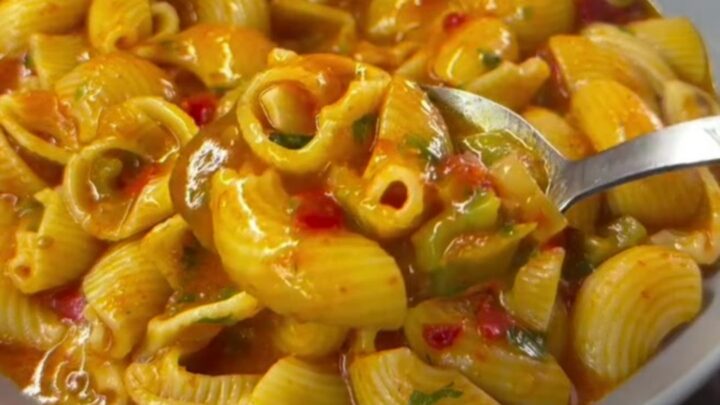
When you add the hot pasta and basil to the baking dish, you'll see the feta begin to melt immediately. As you toss, the cheese turns into a creamy, pink-tinted sauce that clings to every shell. The tomatoes crush into a chunky sauce, and the basil wilts slightly, releasing its aroma. The mixture should look glossy and cohesive, with no dry patches. If it looks too thick, add a splash of pasta water to loosen it.
Serve with Parmesan and Pepper
- Serve with Parmesan and PepperSpoon the pasta into warm bowls. Shower each serving with grated parmesan cheese and a generous crack of black pepper. Serve immediately, while the sauce is still hot and creamy. The shells should be filled with the tomato-feta sauce, and the basil should be bright green.Look for The pasta looks glossy and creamy, with visible specks of basil and melted feta ribbons.Tip For the best texture, serve right away. Leftovers will thicken, but a splash of water or milk when reheating can bring back the creaminess.
The finished pasta should look luxurious — each shell filled with creamy sauce, speckled with red tomato skins and green basil. When you spoon it into bowls, it should be velvety and rich, with the parmesan melting on top and the black pepper adding a subtle heat. The texture is creamy but not heavy, and the flavors are bright and tangy from the feta and tomatoes.
Common mistakes
One common mistake is using pre-crumbled feta, which won't melt into a creamy sauce. Another is overcooking the pasta — al dente is essential because it will continue to cook slightly when tossed with the hot sauce. Don't skip the pasta water; it's the secret to a silky sauce.
Also, be sure to toss gently but thoroughly, so the cheese and tomatoes are evenly distributed. If the sauce seems too thick, add more pasta water gradually. And don't forget to season the pasta water well — it's the only chance to season the pasta from within.
How to tell it’s done
The dish is done when the feta is soft and lightly golden on top, and the tomatoes have blistered and burst, releasing their juices. The pasta should be al dente — tender but still firm to the bite. When you toss everything together, the feta should melt into a creamy sauce that coats the shells.
If the sauce seems thick, add a splash of pasta water until it reaches a silky consistency. The final dish should look glossy and creamy, with the basil leaves bright green and the cheese fully incorporated.
Up next · Part 3 of 3
4 variations · storage & make-ahead · 5 answers · printable card
Tips, FAQ & printable recipe (Part 3)← Back to the ingredients (Part 1)