Dinner · Part 1 of 3: Ingredients
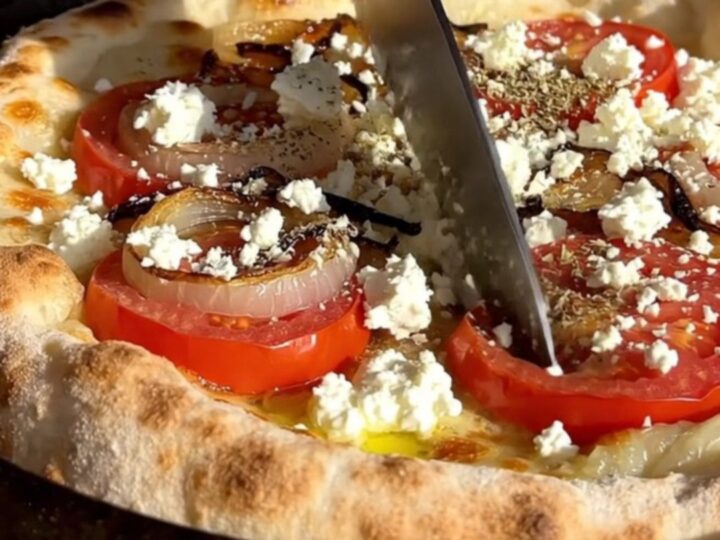
Authentic Greek Ladenia Olive Oil Flatbread
- Prep
- Cook
- Total
- Serves
- 4
Ladenia is a hidden gem from the Greek island of Kimolos, often described as the ancient ancestor of modern pizza. This rustic, olive-oil-drenched flatbread relies on the simplest high-quality ingredients to create a flavor profile that is both complex and deeply satisfying.
Perfect as an appetizer or a light meal, it brings the bright, sun-drenched flavors of the Mediterranean directly to your kitchen table with minimal effort and maximum culinary impact.
This recipe guides you through the process of creating a traditional Ladenia. Unlike traditional pizza, Ladenia is defined by its generous use of olive oil, which fries the bottom of the dough in the pan, creating an incredibly crispy, golden crust.
The combination of sweet caramelized onions, acidic plum tomatoes, and the sharp, salty punch of barrel-aged feta creates a balanced bite that celebrates Greek island tradition. It is a forgiving, versatile dish that rewards patience during the proofing stage.
Ingredients
Base
- 1 lb pizza dough, homemade or store-bought
Topping
- 5 tbsp extra virgin olive oil
- 1 large yellow onion, thinly sliced
- 2 medium plum tomatoes, sliced
- 1 tsp dried mountain oregano
- 1/2 cup barrel-aged feta cheese, crumbled
Why this recipe works
The method of using a cast-iron pan or stone ensures intense, even heat distribution, which is essential for achieving the signature crispy bottom of a traditional Ladenia. By dimpling the dough with your fingertips and coating it liberally with olive oil, you create small pockets that trap the juices from the tomatoes and onions, ensuring every bite is flavorful.
The choice of high-quality extra virgin olive oil is the foundation of this recipe. It does not just act as a fat for frying; it acts as a primary flavor component that permeates the dough. The specific order of layering—onions and tomatoes first, followed by a post-bake addition of fresh feta—preserves the structural integrity of the toppings while allowing the cheese to remain creamy and distinct.
Notes and substitutions
For the best results, use a high-hydration pizza dough that has been allowed to rise at room temperature until soft and pliable. If the dough is cold, it will be difficult to stretch and may shrink back during the baking process.
Using a cast-iron skillet is highly recommended as it mimics the heat retention of traditional stone ovens, yielding a superior crust texture compared to standard baking sheets.
Regarding ingredients, the quality of the feta is paramount. Barrel-aged feta offers a creamier texture and a more robust, tangy flavor compared to standard store-bought varieties.
If mountain oregano is unavailable, look for high-quality dried Greek oregano, which has a more potent, savory profile than common supermarket oregano. Ensure the tomatoes are ripe but still firm enough to hold their shape during the high-heat baking process.
- plum tomatoes: Any firm, ripe tomato variety such as Roma or beefsteak.
- dried mountain oregano: Standard dried oregano or dried thyme.
Equipment
- Cast-iron pan or pizza stone
- Chef's knife
- Cutting board
- Measuring spoons
- Mixing bowl
Up next · Part 2 of 3
3 steps · 25 min of cooking · what to look for at each stage
Step-by-step instructions (Part 2)