Dinner · Part 2 of 3: Instructions
French Aligot Cheesy Garlic Mashed Potatoes with a Two-Foot Stretch Step-by-step instructions
- Prep
- Cook
- Total
- Serves
- 6
Before you start
Before you begin, make sure you have all the ingredients measured and ready. Peel the potatoes and cut them into even chunks so they cook evenly. Grate the cheeses and set them aside at room temperature. Heat the cream in a small saucepan until hot but not boiling.
Have the butter cubed and cold. Prepare a fine drum sieve or potato ricer, a heavy-bottomed pot, and a wooden spoon or paddle. Clear your workspace so you can move efficiently once the potatoes are done. The entire process from boiling to serving takes about 40 minutes, so plan accordingly.
Ingredients at a glance (8)
- 800 g Yukon Gold potatoes, peeled
- 100 g cold unsalted butter, cubed
- 150 ml hot heavy cream
- 2 cloves garlic, minced
- 400 g Tomme fraîche or low-moisture mozzarella, grated
- 200 g Gruyère, grated
- cracked white pepper, for finishing, to taste
- freshly grated nutmeg, for finishing, to taste
Instructions
Phase 1: Prepare the Potato Base
- Boil and Rice the PotatoesPlace the peeled Yukon Gold potatoes in a large pot and cover with cold salted water. Bring to a boil over high heat, then reduce to a simmer and cook until fork-tender, about 20 minutes. Drain well and pass the hot potatoes through a fine drum sieve or potato ricer into a clean pot. Spread them into an even layer so they cool slightly.Look for The potatoes are smooth, with no lumps, and have a dry, fluffy appearance.Tip For the silkiest texture, push the potatoes through the sieve while they are still steaming hot.
- Beat in Butter and CreamAdd the cold cubed butter to the hot riced potatoes and stir until melted and fully incorporated. Pour in the hot heavy cream and add the minced garlic. Beat vigorously with a wooden spoon until the mixture is creamy and glossy.Look for The potatoes turn smooth and shiny, with a loose, soft consistency.Tip Keep the cream hot so it doesn't cool the potatoes, which would make the final aligot less elastic.
At the end of this phase, you should have a smooth, lump-free potato puree that is glossy and slightly loose from the butter and cream. The garlic should be well incorporated, and the mixture should taste savory and rich. It should be thick but not stiff, and it should be warm enough to melt the cheese in the next phase. If it looks dry, add a splash of hot cream. If it's too wet, let it sit for a minute to allow excess moisture to evaporate.
Phase 2: Melt and Stretch the Cheese
- Add the CheesesGradually add the grated Tomme fraîche (or mozzarella) and Gruyère to the potato mixture, stirring continuously in one direction. Add each handful only after the previous one has melted into the potatoes. Continue stirring until all the cheese is incorporated and the mixture becomes thick and stretchy.Look for The cheese melts into long, elastic strands as you stir, and the mixture pulls away from the sides of the pot.Tip Use low heat and keep stirring to prevent the cheese from clumping or separating.
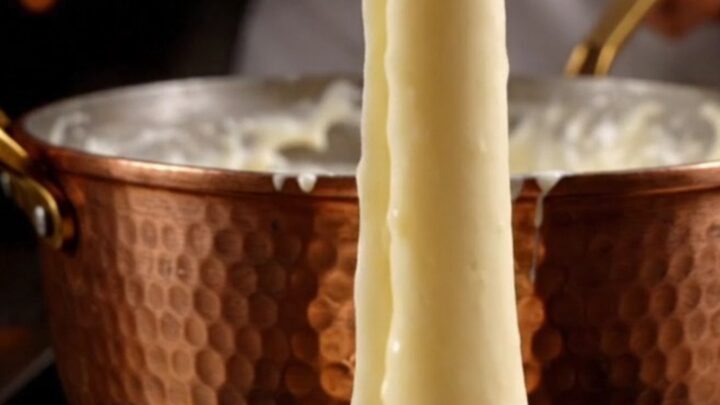
- Cook Over Low Heat Until SilkyPlace the pot over low heat, about 175°F (80°C), and continue beating the mixture vigorously with a wooden paddle for about 4 minutes. The aligot will transform into a smooth, elastic, ribbon-like fondue that stretches as you lift the spoon. Keep the heat low so the cheese melts slowly and the texture stays silky.Look for The aligot forms glossy, elastic ribbons that stretch two feet high when lifted with a wooden spoon.Tip If the mixture seems too thick, add a splash of warm cream; if too loose, beat longer over low heat.
As you stir in the cheese, the mixture will become thick and elastic. You'll notice long, stretchy strands forming as you lift the spoon. The aligot should be smooth and glossy, with no visible lumps of unmelted cheese.
It should pull away from the sides of the pot and hold its shape when you lift it. The aroma will be intensely cheesy and buttery, and the texture will be silky and luxurious. Keep stirring until the desired stretch is achieved.
Phase 3: Finish and Serve Immediately
- Finish and ServeTwirl the aligot high above a warm serving plate, letting it fall in glossy ribbons. Sprinkle with cracked white pepper and a pinch of freshly grated nutmeg. Serve immediately while the aligot is at its most stretchy and warm.Look for The aligot is smooth, glossy, and stretches elegantly from spoon to plate.Tip Warm the serving plate in the oven or with hot water so the aligot stays fluid longer.
The finished aligot should be a beautiful, pale ivory color with a shiny, satiny sheen. When you twirl it on a spoon, it should form a smooth ribbon that falls gracefully. The texture should be spoonable but firm enough to hold a swirl. Sprinkle with cracked white pepper and nutmeg for a fragrant finish. Serve right away, as aligot will thicken as it cools and lose its stretchy quality.
Common mistakes
One common mistake is using waxy potatoes, which can result in a gluey texture. Stick to Yukon Gold or Russet potatoes. Another pitfall is adding the cheese all at once, which can cause it to clump and not melt evenly. Always add it gradually, stirring constantly.
Overheating the mixture can cause the cheese to separate and become greasy; keep the heat low and be patient. Finally, don't skip the ricing step—mashing by hand will leave lumps that prevent the aligot from becoming silky. If you don't have a sieve, a potato ricer works just as well.
How to tell it’s done
The aligot is done when it has transformed into a smooth, glossy, elastic mass that easily pulls away from the sides of the pot. When you lift a spoonful, it should stretch into a long ribbon without breaking.
The texture should be silky and thick, similar to a soft fondue, and it should hold its shape on a plate. If it seems too stiff, beat in a little more warm cream; if too loose, continue cooking over low heat while stirring. The final dish should be warm, comforting, and irresistibly cheesy.
Up next · Part 3 of 3
4 variations · storage & make-ahead · 5 answers · printable card
Tips, FAQ & printable recipe (Part 3)← Back to the ingredients (Part 1)