Dinner · Part 1 of 3: Ingredients
Air Fryer Garlic Butter Ribeye Steaks for a Quick Dinner
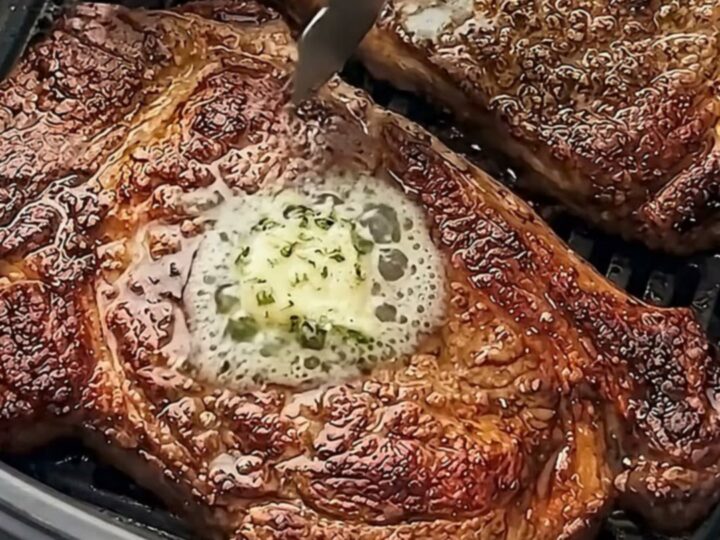
- Prep
- Cook
- Total
- Serves
- 2
Transform your kitchen into a steakhouse with this effortless air fryer ribeye method. By utilizing the rapid convection heat of an air fryer, you can achieve a perfectly caramelized crust on the exterior while keeping the center incredibly juicy and tender.
This technique is designed for convenience, allowing you to prepare a high-quality meal in minutes without the mess of stovetop splattering or the need for constant monitoring, making it an ideal choice for busy weeknight dinners.
Cooking ribeye steak in an air fryer is a game-changer for home cooks who desire professional results with minimal effort. This method relies on high heat to sear the surface of the meat quickly, locking in flavor.
The addition of a compound herb-garlic butter provides a luxurious finish that elevates the steak to restaurant standards. Whether you are a beginner or an experienced cook, this recipe offers a reliable way to enjoy a classic, savory steak dinner at home without the complexity of traditional pan-searing or grilling techniques.
Ingredients
Steaks
- 2 ribeye steaks, about 1 inch thick
- 1 tsp kosher salt and black pepper to taste
Herb Butter
- 3 tbsp unsalted butter, softened
- 2 cloves garlic, minced
- 1 tbsp fresh herbs, finely chopped (parsley or thyme)
Why this recipe works
The air fryer circulates hot air around the steak, creating a consistent and even crust that is difficult to achieve on a crowded stovetop. This intense heat seals the surface immediately, which helps retain the natural moisture inside the meat.
The compact size of the air fryer basket also ensures that the heat remains concentrated, leading to a more efficient cooking process that reduces the overall time spent in the kitchen while providing superior textural results.
Using a compound butter is a classic culinary technique that adds depth and richness to the finished steak. As the butter melts over the hot surface, it carries the aromatic notes of fresh garlic and herbs into the crust, enhancing the flavor profile of the ribeye.
This final step not only adds a beautiful sheen to the presentation but also introduces a velvety mouthfeel that complements the robust, savory nature of the beef, creating a balanced and satisfying dining experience.
Notes and substitutions
Selecting the right cut of ribeye is crucial for the best results in an air fryer. Look for steaks that have good marbling, which refers to the white flecks of intramuscular fat. This fat will render down during the cooking process, contributing to the tenderness and flavor of the final dish. Aim for steaks that are at least one inch thick to ensure they can withstand the high heat of the air fryer without overcooking the center before the outside is properly seared.
The choice of herbs in the compound butter can be adjusted based on personal preference, though parsley and thyme are traditional favorites that pair exceptionally well with beef. Ensure that the butter is softened to room temperature before mixing to allow for a smooth consistency. If you do not have fresh herbs, dried versions can be used, but use half the amount specified, as dried herbs are more concentrated and can be overpowering if used in excess.
- ribeye steaks: New York strip steaks or sirloin steaks of similar thickness
- fresh herbs: 1/2 tsp dried Italian seasoning
Equipment
- Air fryer
- Mixing bowl
- Metal tongs
- Meat thermometer
Up next · Part 2 of 3
3 steps · 12 min of cooking · what to look for at each stage
Step-by-step instructions (Part 2)