Desserts · Part 3 of 3: Tips & recipe card
4-Ingredient No-Bake Tiramisu Truffles Tips, FAQ & printable recipe
- Prep
- Cook
- Total
- Serves
- 12
Tips for success
For the best texture, use a food processor to crush the ladyfingers into a fine, even crumb. If you crush them by hand, you may end up with larger pieces that create an uneven texture. Also, make sure the espresso is strong—this is what gives the truffles their bold coffee flavor. If you prefer a milder taste, you can reduce the espresso slightly, but the mixture may be drier. Adjust with a teaspoon of milk if needed.
When rolling the truffles, work quickly and keep your hands slightly damp if the mixture sticks. If the dough becomes too soft as you work, return it to the fridge for a few minutes. For a more intense cocoa coating, roll the truffles a second time after a brief chill.
This creates a thicker, more decadent shell. Store the truffles in an airtight container in the fridge, and let them sit at room temperature for a few minutes before serving to bring out the silky texture.
Variations
- Chocolate-Dipped Truffles: Instead of rolling in cocoa, dip the chilled truffles in melted dark chocolate. Place them on a parchment-lined tray and let set. This adds a crunchy shell and richer chocolate flavor.
- Coffee Liqueur Truffles: Replace 2 tablespoons of the espresso with coffee liqueur for an adult twist. Reduce the espresso accordingly to keep the mixture from becoming too wet. The liqueur adds a subtle sweetness and depth.
- Spiced Truffles: Add 1/2 teaspoon of ground cinnamon and a pinch of nutmeg to the crumb mixture before adding the espresso. This gives the truffles a warm, aromatic flavor that pairs well with coffee.
- Vanilla Bean Truffles: Stir the seeds from half a vanilla bean into the mascarpone before mixing. This adds a delicate floral note that complements the coffee and cocoa. If you don't have a vanilla bean, use 1/2 teaspoon of vanilla extract.
Storage and make-ahead
- Fridge
- Store in an airtight container in the refrigerator for up to 5 days. Let come to room temperature for 10 minutes before serving.
- Freezer
- Freeze uncoated truffles in a single layer on a baking sheet, then transfer to a freezer bag for up to 1 month. Thaw in the refrigerator before coating.
- Reheat
- Reheating is not necessary; serve at room temperature or chilled. If frozen, thaw in the refrigerator overnight.
Store the truffles in an airtight container in the refrigerator for up to 5 days. Place them in a single layer or separate layers with parchment paper to prevent sticking. Because they contain dairy, keep them chilled until ready to serve.
Let them sit at room temperature for about 10 minutes before serving to soften the centers. If you live in a warm climate, you may want to keep them refrigerated even during serving to prevent them from becoming too soft.
These truffles are perfect for making ahead. You can prepare the mixture and shape the truffles up to 2 days in advance, then coat them in cocoa just before serving. Alternatively, you can fully coat them and store them in the refrigerator.
The cocoa may darken slightly over time, but the flavor will remain delicious. If you're making them for a party, you can also freeze the uncoated truffles for up to 1 month, then thaw and coat them on the day you need them.
Serving ideas
Serve these truffles as a delightful after-dinner treat with a small cup of espresso or a glass of dessert wine. Arrange them on a plate or in a small serving bowl, and dust with a little extra cocoa for a professional look.
They also make excellent homemade gifts for coffee lovers—place them in a gift box lined with parchment paper and tie with a ribbon. The truffles are rich, so a few pieces are enough to satisfy a sweet craving.
For a more elegant presentation, you can roll the truffles in a mixture of cocoa and confectioners' sugar, or dust them with a little ground cinnamon. If you like a bit of texture, you can also press a few crushed coffee beans into the coating. However, the classic version—plain cocoa—is perfect in its simplicity. Serve them at room temperature for the best flavor and texture, and watch them disappear quickly.
Frequently asked questions
Can these truffles be made without a food processor?
Why is the mixture too sticky to roll?
Can the truffles be made vegan?
How long do the truffles last?
Can the espresso be replaced with instant coffee?
4-Ingredient No-Bake Tiramisu Truffles
Ingredients
- 250 g Italian ladyfinger biscuits
- 150 ml strong brewed espresso, cooled
- 1/2 cup mascarpone cheese
- 1/2 cup Dutch-process cocoa powder
Instructions
- Place the ladyfinger biscuits in a food processor and pulse until they become fine golden crumbs. You should have about 2 cups of crumbs. Transfer the crumbs to a large mixing bowl.
- Pour the cooled espresso over the crumbs. Stir with a spatula until all the crumbs are evenly moistened. The mixture should look like wet sand and hold together when pressed.
- Add the mascarpone cheese to the crumb mixture. Use a spatula or your hands to combine until the mixture forms a cohesive dough. It should be soft but firm enough to roll into balls.
- Cover the bowl with plastic wrap and refrigerate for at least 30 minutes, or up to 2 hours. Chilling makes the mixture easier to roll and helps the truffles hold their shape.
- Scoop out about 1 tablespoon of the mixture and roll it between your palms to form a smooth ball. Place the formed truffles on a baking sheet lined with parchment paper. Repeat with the remaining mixture.
- Spread the cocoa powder on a shallow plate. Roll each truffle in the cocoa until completely coated. Gently shake off any excess.
- Place the coated truffles on a serving plate. For the best texture, let them sit at room temperature for 10 minutes before serving. The centers should be silky and rich.
Estimated nutrition per serving
- Calories
- 180
- Protein
- 3 g
- Carbohydrates
- 20 g
- Fat
- 10 g
Next recipe
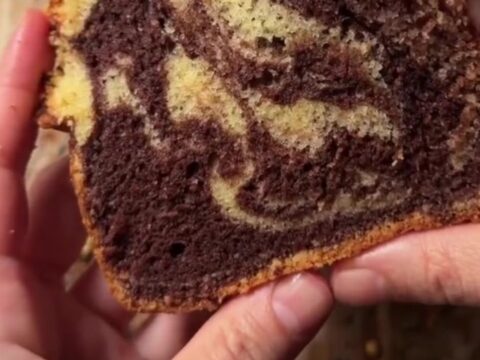
Classic Marble Butter Loaf with a Stunning Zebra Swirl
See the recipe → →This recipe is based on a short cooking video and is published under the pen name Clara Weller. It was checked before publication, but errors can slip through. Nutrition, when shown, is an estimate. Read more in our editorial policy and on our food safety page.
More recipes to try
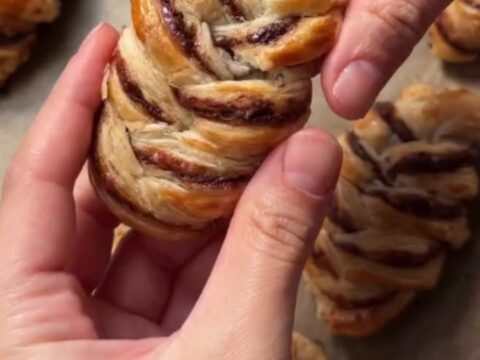
Crispy Braided Puff Pastry Chocolate Pastries
Total time: 30 min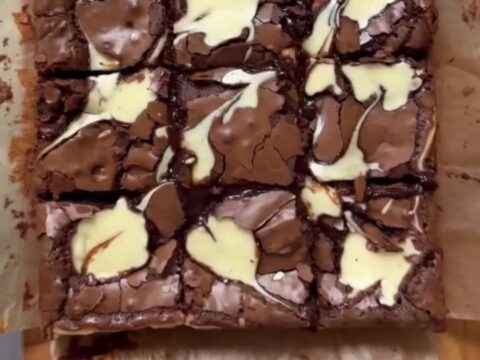
Brown Butter Cheesecake Brownies: Dangerously Fudgy
Total time: 40 min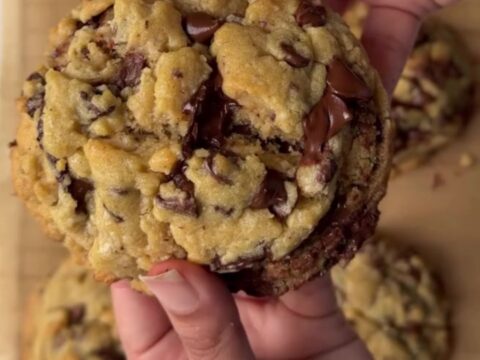
Two-Chip Bakery Cookies with Crispy Edges
Total time: 26 min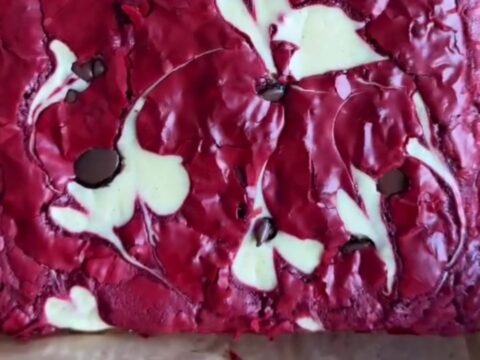
Ultra-Fudgy Red Velvet Cheesecake Brownies
Total time: 1 h 13 min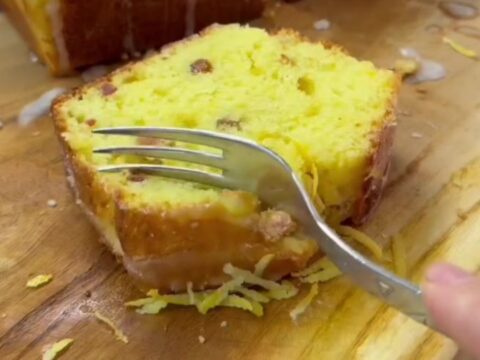
Bright Whole-Lemon Blender Cake with Lemon Glaze
Total time: 55 min