Dinner · Part 2 of 3: Instructions
10-Minute Restaurant-Style Fettuccine Alfredo Step-by-step instructions
- Prep
- Cook
- Total
- Serves
- 4
Before you start
Before starting, bring a large pot of water to a boil. Grate the parmesan cheese and chop the parsley. Measure out the butter, heavy cream, garlic powder, Italian seasoning, and black pepper so they are ready to go.
Have a colander and a large skillet nearby. The entire dish comes together quickly, so having everything prepped ensures a smooth cooking process.
Ingredients at a glance (9)
- 8 oz dry fettuccine
- 1 tbsp kosher salt, for the pasta water
- 1/2 cup unsalted butter
- 1 cup heavy cream
- 1 tsp garlic powder
- 1 tsp Italian seasoning
- 1 cup freshly grated parmesan cheese
- 2 tbsp fresh parsley, chopped
- 1/2 tsp freshly ground black pepper
Instructions
Boil and Prep
- Boil the FettuccineBring a large pot of water to a rolling boil. Add the kosher salt and stir to dissolve. Add the dry fettuccine and cook according to package directions until al dente, usually about 8 minutes. Reserve 1 cup of the starchy pasta water before draining. Drain the pasta in a colander, but do not rinse.Look for The pasta is al dente when it offers slight resistance to the bite but is cooked through.Tip Reserve the pasta water before draining; it is essential for loosening the sauce later.
- Melt the ButterWhile the pasta cooks, place a large skillet over medium heat. Add the unsalted butter and let it melt completely, swirling the pan occasionally. Do not let it brown; you want a gentle melt.Look for The butter is fully melted and starting to bubble gently.Tip Use a wide skillet so the sauce has room to coat the pasta evenly.
The pasta is boiling in salted water, and the butter is melting in the skillet. The kitchen smells of warm butter.
The fettuccine should be al dente, and the butter fully melted without browning. Have the cream and seasonings within reach for the next step.
Creamy Sauce
- Make the Cream SaucePour the heavy cream into the melted butter and stir to combine. Add the garlic powder and Italian seasoning, stirring continuously. Let the mixture come to a gentle simmer, then reduce the heat to low. Gradually sprinkle in the freshly grated parmesan cheese, stirring constantly until the cheese melts and the sauce is smooth and creamy.Look for The sauce is smooth and coats the back of a spoon; it should not be watery or clumpy.Tip Keep the heat low after adding the cheese to prevent it from separating.
- Combine Pasta and SauceAdd the drained fettuccine directly to the skillet with the sauce. Toss gently with tongs or a wooden spoon to coat every strand. If the sauce seems too thick, add reserved pasta water a few tablespoons at a time until the sauce becomes silky and clings to the pasta.Look for The pasta is fully coated with a glossy, creamy sauce that clings without pooling.Tip Add the pasta water gradually; a little goes a long way to achieve the right consistency.
The sauce is simmering gently, with the parmesan melted into a smooth, velvety cream. The aroma is rich and cheesy, with a hint of garlic and herbs. The sauce should coat the back of a spoon. If it looks too thick, add a splash of pasta water.
Finish and Serve
- Finish and ServeStir in the chopped fresh parsley and freshly ground black pepper. Toss once more to distribute. Serve immediately, with extra grated parmesan on the side if desired.Look for The pasta is glossy, the sauce is creamy, and the parsley adds fresh color.Tip Alfredo is best served right away; it thickens as it stands.
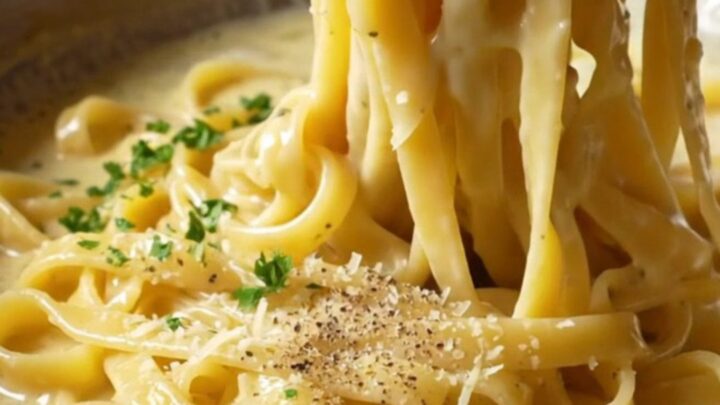
The pasta is coated in a glossy, creamy sauce, flecked with green parsley and black pepper. The texture is silky, not clumpy. The dish is ready to serve, steaming and fragrant. Taste for seasoning and add more pepper or parmesan if desired.
Common mistakes
A common mistake is overheating the sauce, which can cause the cream and butter to separate. Keep the heat low after adding the cheese.
Another issue is using pre-grated parmesan, which may not melt smoothly. Always grate fresh. Also, avoid over-draining the pasta—reserve that starchy water; it's the key to a silky sauce.
How to tell it’s done
The pasta is done when it is al dente—tender but still firm to the bite. The sauce is ready when it coats the back of a spoon and is smooth and creamy, with no visible separation.
The final dish should be glossy, with the sauce clinging to each strand of fettuccine. Serve immediately, as the sauce will thicken as it cools.
Up next · Part 3 of 3
4 variations · storage & make-ahead · 5 answers · printable card
Tips, FAQ & printable recipe (Part 3)← Back to the ingredients (Part 1)